Author: contributor

Inside Clinical Addiction Treatment: How Evidence-Based Care Builds Lasting Recovery

Understanding the Power of Clinical Addiction Treatment

Addiction is a complex disease that affects the brain, body, and spirit. While willpower and determination are important, recovery requires more than just motivation. It takes structured, evidence-based treatment designed to heal the underlying causes of substance use and support long-term change. At CRA for Health, clinical addiction treatment combines science, compassion, and personalized care to help individuals find lasting freedom from addiction.

Clinical treatment is more than detox or symptom management. It focuses on restoring mental health, addressing trauma, and rebuilding daily stability through proven therapeutic methods. This comprehensive approach gives individuals the tools and support they need to recover and thrive.


The Foundation of Evidence-Based Care

Evidence-based treatment means using therapeutic approaches that are supported by scientific research and proven to be effective. These methods are continually refined by medical professionals and mental health experts to provide the best outcomes.

At CRA for Health, evidence-based care may include:

  • Cognitive Behavioral Therapy (CBT): Helps individuals identify and change harmful thought patterns and behaviors that contribute to addiction.
  • Dialectical Behavior Therapy (DBT): Builds emotional regulation, mindfulness, and coping skills to manage stress and triggers.
  • Medication-Assisted Treatment (MAT): Uses FDA-approved medications to safely manage withdrawal symptoms and reduce cravings.
  • Trauma-Informed Therapy: Addresses unresolved trauma that often fuels substance use and emotional distress.

By integrating these methods, clinical treatment supports the whole person—emotionally, mentally, and physically—rather than treating addiction as an isolated issue.


The Role of Holistic and Faith-Based Support

What sets CRA for Health apart is the integration of holistic and faith-based care alongside clinical expertise. While science provides the structure, faith and holistic therapies provide purpose, healing, and connection.

Holistic therapies may include mindfulness practices, nutrition counseling, art therapy, and physical wellness programs that restore balance to the mind and body. Faith-based support, for those who seek it, helps rebuild spiritual strength and meaning, offering an additional layer of emotional resilience throughout recovery.

This blend of evidence-based care and compassionate support allows clients to heal in a way that aligns with their values, beliefs, and individual needs.


Building Lasting Recovery

Lasting recovery is not only about overcoming addiction—it is about learning how to live fully again. Clinical addiction treatment provides the structure and accountability to maintain sobriety, but it also emphasizes relapse prevention, self-awareness, and emotional growth.

Clients are encouraged to develop personalized coping strategies and build healthy support networks. With consistent therapy, community involvement, and aftercare planning, individuals leave treatment equipped to handle life’s challenges with confidence and clarity.

Recovery is a journey, and with the right clinical foundation, it is one that leads to genuine transformation.


Taking the Next Step Toward Healing

If you or someone you love is struggling with addiction, you do not have to face it alone. At CRA for Health, compassionate professionals provide evidence-based and holistic care designed to help you heal and reclaim your life. Every treatment plan is customized to meet your unique needs and support your long-term success.

Reach out today to learn how clinical addiction treatment can help you or a loved one build a life of stability, purpose, and recovery. Healing starts with the first step—and that step can begin right now.


Breaking Free: How Clinical Addiction Treatment Supports Lasting Recovery

Addiction can feel overwhelming, isolating, and impossible to overcome. For individuals struggling with substance use, professional support is often the key to breaking free and building a healthier, more fulfilling life. Clinical addiction treatment provides structured, evidence-based care that addresses the physical, emotional, and psychological aspects of substance use disorders. By combining medical supervision, therapy, and holistic support, these programs empower individuals to recover safely and sustainably.

Understanding Clinical Addiction Treatment

Clinical addiction treatment goes beyond simply helping someone stop using substances. It focuses on the underlying causes of addiction, offering tools and strategies to maintain long-term sobriety. Programs typically include:

  • Medical detoxification to safely manage withdrawal symptoms
  • Therapeutic interventions to address mental health challenges and coping skills
  • Education and life skills training to support relapse prevention
  • Individualized treatment plans tailored to each client’s unique needs and goals

By integrating these elements, clinical addiction treatment addresses both the symptoms and the root causes of substance use.

Inpatient vs. Outpatient Care: Choosing the Right Level of Support

Inpatient Treatment

Inpatient programs provide a highly structured, residential environment for individuals who require intensive support. Clients benefit from 24-hour medical supervision, daily therapy sessions, and a distraction-free setting that promotes focus on recovery. This level of care is often recommended for those with severe addiction, co-occurring mental health conditions, or high risk of relapse.

Outpatient Treatment

Outpatient care offers flexibility for individuals who have responsibilities such as work or family commitments. Clients attend scheduled therapy sessions, group programs, and medical appointments while living at home. This approach allows participants to practice new coping strategies in real-world settings, with ongoing support from professionals.

Integrating Mental Health and Holistic Support

Addiction rarely exists in isolation. Many individuals experience co-occurring mental health conditions such as anxiety, depression, or trauma-related disorders. Clinical addiction treatment addresses these dual diagnoses through integrated care, ensuring that both substance use and mental health are treated simultaneously.

Holistic support is also a critical component of lasting recovery. Practices such as mindfulness, yoga, nutritional guidance, and stress management complement traditional therapy. For those who find strength in faith, spiritual counseling and faith-based programs provide an added layer of encouragement and purpose.

The Role of Individualized Treatment

Every person’s journey with addiction is unique. Individualized treatment plans ensure that care is tailored to personal history, needs, and recovery goals. By addressing specific triggers, coping strategies, and emotional challenges, personalized programs increase the likelihood of long-term success and reduce the risk of relapse.

Moving Toward Lasting Recovery

Breaking free from addiction requires more than willpower alone. Clinical addiction treatment provides the structure, support, and expertise necessary to navigate the complex path of recovery. With evidence-based therapies, holistic interventions, and compassionate care, individuals can rebuild their lives and achieve meaningful, lasting change.

Take the First Step Today

If you or a loved one is struggling with addiction, professional help is available. At CRA for Health, we provide comprehensive, client-centered programs that integrate clinical care, mental health support, and holistic healing. Our experienced team is dedicated to guiding you through every stage of recovery. Contact CRA for Health today to take the first step toward breaking free and building a healthier, more hopeful future.

The Double Burden: Living with PTSD and Addiction—and How to Break Free

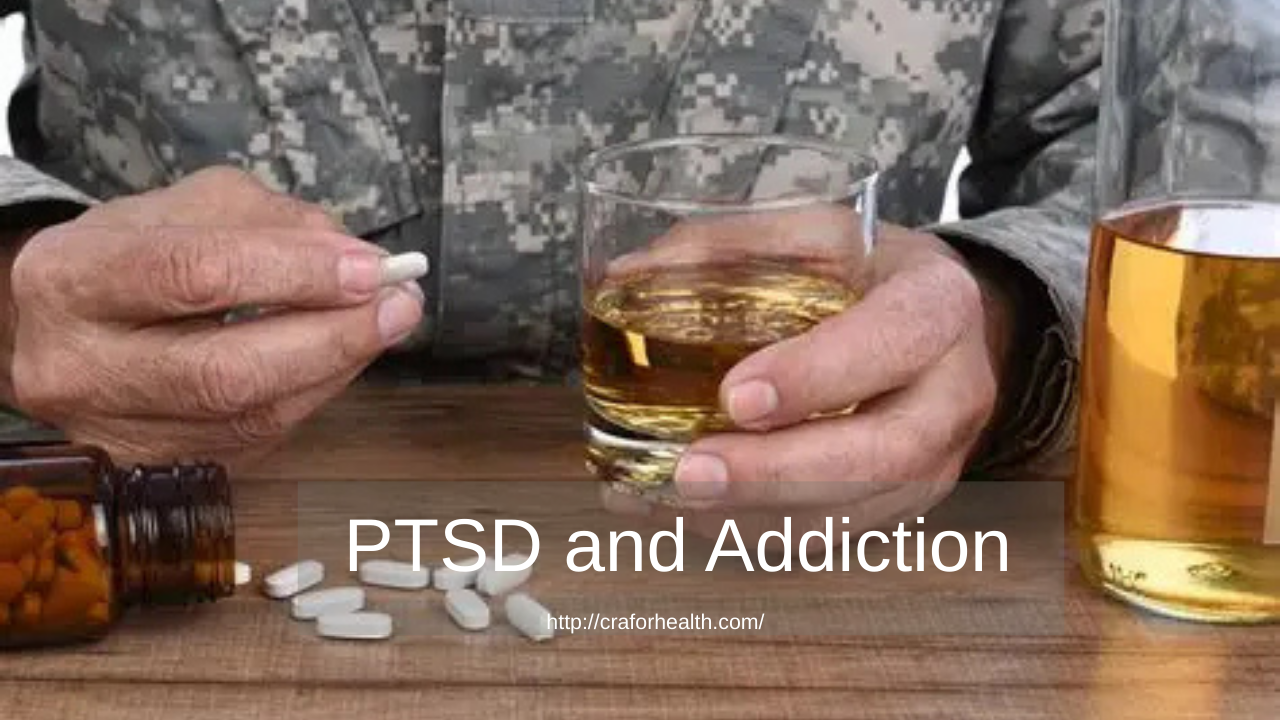
Living with both Post-Traumatic Stress Disorder (PTSD) and addiction can feel like being trapped in an endless cycle of pain and escape. Trauma leaves lasting emotional and psychological wounds, while substance use often begins as an attempt to numb those painful memories. Over time, what starts as temporary relief turns into dependency, making recovery more complex. Understanding the connection between PTSD and addiction—and learning how to heal both—is essential for true and lasting recovery.

Understanding the Connection Between PTSD and Addiction

PTSD develops after a person experiences or witnesses a traumatic event such as abuse, violence, loss, or combat. It affects the brain’s ability to manage stress, regulate emotions, and distinguish between safety and danger. Common symptoms include flashbacks, nightmares, hypervigilance, and feelings of emotional numbness.

For many, these symptoms are overwhelming. Substances like alcohol, opioids, or stimulants may offer temporary relief, dulling anxiety and intrusive thoughts. However, this self-medication only deepens the problem. Over time, the brain associates substance use with comfort and safety, creating a powerful dependency that reinforces both the trauma response and the addiction.

The Vicious Cycle of PTSD and Addiction

PTSD and addiction often feed each other in what clinicians call a dual-diagnosis cycle. When PTSD symptoms flare, individuals may turn to substances for relief. Yet substance use can worsen emotional instability and increase anxiety, depression, and feelings of isolation. This creates a pattern where trauma and addiction intensify one another, making recovery difficult without addressing both conditions together.

How the Brain Is Affected

Chronic stress and trauma can alter key areas of the brain such as the amygdala, hippocampus, and prefrontal cortex. These changes impact memory, emotion regulation, and decision-making. Substance use further disrupts these same regions, creating an imbalance that makes it difficult to stop using or process traumatic memories. Effective treatment must target both the neurological and psychological effects to promote full healing.

Breaking Free: Integrated Treatment for Dual Recovery

Recovery from PTSD and addiction requires an integrated, compassionate approach that treats both conditions at the same time. CRA for Health specializes in personalized treatment plans that combine evidence-based therapies, holistic healing, and faith-based care.

Trauma-Informed Therapy

Trauma-informed therapy helps individuals process and heal from past experiences safely and without judgment. Techniques such as Cognitive Behavioral Therapy (CBT), Eye Movement Desensitization and Reprocessing (EMDR), and mindfulness-based therapy allow clients to confront painful memories while building healthier coping strategies.

Addiction Recovery Services

Inpatient and outpatient programs provide structure and support throughout the recovery process. Clients receive medical supervision, counseling, and relapse prevention training designed to address the physical and emotional challenges of addiction recovery. Medication-assisted treatment (MAT) may also be used to reduce cravings and manage withdrawal symptoms, allowing clients to focus on emotional healing.

Holistic and Faith-Based Healing

At CRA for Health, healing goes beyond clinical therapy. Holistic approaches like yoga, meditation, nutritional counseling, and exercise help restore balance to the body and mind. For those seeking spiritual growth, faith-based recovery programs provide strength, purpose, and a renewed sense of hope that supports long-term healing.

The Path to Long-Term Recovery

Overcoming PTSD and addiction requires patience, support, and comprehensive care. Healing does not mean forgetting the past, but learning to live with it in a way that no longer controls your present. With the right treatment, individuals can break free from the double burden of trauma and addiction, rebuilding their lives with confidence and peace.

Take the First Step Toward Healing

If you or someone you love is living with PTSD and addiction, you do not have to face it alone. CRA for Health provides compassionate, evidence-based, and holistic care tailored to your unique journey. Our experienced team will walk beside you every step of the way, helping you heal the mind, body, and spirit. Contact CRA for Health today to begin your path toward lasting recovery and freedom.

Healing the Wounds: Trauma-Informed Care in Addiction Treatment

Addiction rarely develops in isolation. For many individuals, substance use begins as an attempt to cope with deep emotional wounds caused by trauma. Whether it stems from childhood abuse, neglect, loss, or other distressing experiences, trauma can alter the way a person thinks, feels, and relates to others. Without proper healing, those painful memories can drive ongoing cycles of addiction and emotional distress. This is why trauma-informed care has become a cornerstone of effective addiction treatment. It addresses the root causes of substance use while promoting safety, trust, and empowerment on the path to recovery.

Understanding Trauma and Its Link to Addiction

Trauma affects the brain, body, and spirit in profound ways. Experiences of fear, helplessness, or violence can disrupt the brain’s stress regulation systems and alter emotional processing. For many, substances become a way to self-medicate, to silence painful memories or emotional triggers. However, this temporary relief often leads to dependency and further emotional suffering.

Recognizing this connection between trauma and addiction is essential. A trauma-informed approach to treatment acknowledges that substance use is often a symptom of deeper pain rather than the core problem itself.

What Is Trauma-Informed Care?

Trauma-informed care is an approach that shifts the focus from asking “What is wrong with you?” to “What happened to you?” It emphasizes understanding, compassion, and respect rather than judgment. In this model, clinicians and caregivers recognize that past trauma can shape a person’s current behavior, emotions, and coping mechanisms.

At CRA for Health, trauma-informed care is woven into every aspect of treatment. The goal is to create a safe, supportive environment where clients can heal at their own pace, free from shame or re-traumatization.

Core Principles of Trauma-Informed Care

1. Safety

Safety is the foundation of healing. A trauma-informed environment ensures clients feel both physically and emotionally secure. Consistent routines, transparent communication, and compassionate care help individuals build trust and engage fully in their recovery journey.

2. Empowerment and Collaboration

Clients are active participants in their recovery. Trauma-informed care empowers individuals to make choices, set goals, and take part in their treatment decisions. This collaborative approach restores a sense of control and autonomy that trauma often takes away.

3. Trust and Transparency

Trust is essential in recovery. Trauma-informed professionals at CRA for Health maintain honesty and consistency in all interactions, helping clients rebuild trust in themselves and others—a vital step toward long-term healing.

4. Individualized Treatment

Because every person’s trauma is different, personalized care is critical. Through individualized treatment plans, clinicians tailor therapy methods, support systems, and holistic practices to address each client’s unique needs.

Integrating Trauma-Informed Care into Addiction Treatment

Trauma-informed addiction treatment often includes evidence-based therapies such as Cognitive Behavioral Therapy (CBT), Eye Movement Desensitization and Reprocessing (EMDR), and mindfulness-based practices. These methods help clients process traumatic memories, reduce emotional distress, and develop healthier coping mechanisms.

Holistic approaches also play a key role. CRA for Health incorporates mindfulness, yoga, art therapy, and spiritual counseling to support emotional and physical healing. Faith-based options are available for those who find strength in spirituality, helping clients connect with purpose and hope during recovery.

Why Trauma-Informed Care Leads to Lasting Recovery

When trauma is left unaddressed, individuals are more likely to relapse or struggle with mental health challenges. Trauma-informed care breaks this cycle by treating both the addiction and its underlying causes. It helps clients not only recover from substance use but also rebuild self-worth, resilience, and emotional balance.

Begin Healing Today

Healing from addiction means more than achieving sobriety—it means addressing the wounds that started it. At CRA for Health, our trauma-informed, faith-based, and holistic treatment programs are designed to help you heal fully—mind, body, and spirit. Our compassionate team provides personalized care that empowers lasting change.

If you or someone you love is struggling with addiction and trauma, take the first step toward recovery today. Contact CRA for Health to begin your journey to healing and rediscover the peace you deserve.

Triggers and Relapse: How Unresolved Trauma Impacts Recovery

Unresolved Trauma Impacts Recovery

Recovery from addiction is a journey that requires more than simply abstaining from substances. For many individuals, unresolved trauma plays a central role in their struggle with substance use. Traumatic experiences, whether from childhood abuse, accidents, or other emotionally distressing events, can leave lasting psychological wounds. When these wounds remain unaddressed, they often manifest as triggers that increase the risk of relapse. Understanding the connection between trauma and relapse is essential for long-term recovery and sustained sobriety.

Understanding Trauma and Its Effects on Recovery

Trauma affects the brain, altering emotional regulation, stress response, and decision-making abilities. Individuals living with unresolved trauma may experience heightened anxiety, intrusive thoughts, or emotional instability. These reactions can create intense urges to seek relief through drugs or alcohol, which temporarily numb emotional pain but ultimately reinforce addiction.

Triggers are often the mechanism through which trauma impacts recovery. They can be external, such as visiting a location associated with past substance use, or internal, like experiencing stress, anger, or emotional pain. Both types of triggers can lead to cravings and increase the risk of relapse if not effectively managed.

Common Triggers in Recovery

External Triggers

External triggers are environmental cues that remind individuals of past substance use or traumatic events. Common examples include:

  • Certain places or neighborhoods associated with substance use
  • Social situations where drugs or alcohol are present
  • Specific people or relationships tied to past trauma or addiction

Recognizing and avoiding or preparing for these triggers is a critical part of a relapse prevention strategy.

Internal Triggers

Internal triggers originate from thoughts, emotions, or physical states. Examples include:

  • Stress or feelings of overwhelm
  • Depression or anxiety
  • Emotional flashbacks or unresolved grief

Internal triggers are particularly challenging because they can arise spontaneously and often require ongoing coping strategies to manage effectively.

Clinical Approaches to Managing Triggers

Successfully managing trauma-related triggers requires a combination of therapy, support, and personalized care.

Trauma-Informed Therapy

Therapies such as Cognitive Behavioral Therapy (CBT) and Eye Movement Desensitization and Reprocessing (EMDR) help individuals process unresolved trauma. These approaches teach coping skills, reduce emotional reactivity, and provide tools to manage triggers before they lead to relapse.

Addiction Recovery Programs

Structured inpatient and outpatient programs provide a supportive environment where individuals can focus on both trauma and addiction recovery. Medication-assisted treatment (MAT) can reduce cravings and withdrawal symptoms, allowing clients to engage more fully in therapy and relapse prevention work.

Holistic and Faith-Based Practices

Incorporating mindfulness, meditation, yoga, and nutritional support helps regulate emotions and build resilience against triggers. For those who find strength in spirituality, faith-based approaches can offer guidance, purpose, and additional community support during recovery.

Individualized Care Plans

Every person’s experience with trauma and addiction is unique. Personalized treatment plans ensure that therapy, support, and coping strategies are tailored to each individual’s needs, history, and goals. This approach increases the likelihood of long-term recovery and minimizes the risk of relapse.

Moving Forward in Recovery

Understanding how unresolved trauma contributes to triggers and relapse is essential for anyone seeking lasting sobriety. By addressing both the psychological and physiological aspects of trauma, individuals can break the cycle that fuels addiction and build healthier coping mechanisms.

Take the Next Step

If you or a loved one is struggling with addiction and the effects of unresolved trauma, help is available. At CRA for Health, we offer compassionate, client-centered care that addresses both trauma and substance use. Our integrated programs combine clinical expertise, holistic healing, and individualized support to guide you through recovery and toward a healthier, more stable future. Contact us today to begin your journey toward lasting healing and sobriety.

From Pain to Addiction: The Neuroscience of Trauma and Substance Use

Trauma can leave lasting imprints on both the mind and the body. Experiences such as childhood abuse, physical or emotional violence, military combat, or other life-altering events can disrupt emotional regulation and lead to profound psychological distress. For many, this unresolved trauma becomes a hidden driver of substance use, with drugs or alcohol providing temporary relief. Understanding the neuroscience behind trauma and addiction is essential for developing effective recovery strategies and achieving lasting healing.

How Trauma Affects the Brain

Trauma changes the way the brain processes stress and emotion. Key areas impacted include:

  • Amygdala: This region becomes hyperactive after trauma, causing heightened fear responses and increased sensitivity to stress.
  • Prefrontal Cortex: Responsible for decision-making and impulse control, it may function less effectively, making it harder to regulate emotions or resist urges to use substances.
  • Hippocampus: Critical for memory formation, the hippocampus can shrink under chronic stress, making it difficult to contextualize traumatic memories and increasing emotional reactivity.

These changes make individuals more vulnerable to seeking external relief, such as drugs or alcohol, to manage overwhelming emotions.

The Role of the Brain’s Reward System

Substance use temporarily activates the brain’s reward system, flooding it with dopamine, the chemical associated with pleasure and reinforcement. For someone living with trauma, this surge can feel like a brief escape from emotional pain. Over time, the brain adapts, reducing natural dopamine production and increasing dependence on substances to achieve similar feelings of relief or pleasure. This creates a cycle where trauma drives substance use, and substance use reinforces the brain’s dependency, making recovery more challenging.

The Self-Medication Cycle

Many individuals with trauma unknowingly enter a self-medication cycle. Substances are used to reduce anxiety, numb emotional pain, or block intrusive memories. While initially effective, this approach exacerbates both PTSD symptoms and addiction over time. The overlap of withdrawal symptoms and trauma-related emotional distress can further complicate recovery, making integrated treatment essential.

Clinical Approaches to Healing

Effective treatment addresses both the neurological and psychological impacts of trauma and addiction. At CRA for Health, care combines evidence-based clinical interventions, holistic practices, and individualized support.

Trauma-Informed Therapy

Therapies such as Cognitive Behavioral Therapy (CBT), Eye Movement Desensitization and Reprocessing (EMDR), and Prolonged Exposure Therapy help individuals process traumatic experiences safely. These approaches reduce PTSD symptoms, teach coping strategies, and empower clients to regain control over emotional responses.

Addiction Recovery Programs

Structured inpatient and outpatient programs provide medical support, counseling, and skill-building to address substance use. Medication-assisted treatment (MAT) may help manage cravings and withdrawal, allowing clients to focus on trauma recovery and behavioral change.

Holistic and Faith-Based Approaches

Mindfulness, meditation, yoga, and nutrition counseling support emotional and physical well-being. For those who find strength in spirituality, faith-based approaches can offer guidance, community, and purpose throughout the recovery journey.

Individualized Care Plans

Every person’s experience with trauma and addiction is unique. Personalized treatment plans ensure that interventions are tailored to the client’s history, challenges, and recovery goals, increasing the likelihood of sustainable healing.

Moving From Pain to Recovery

Understanding the neuroscience of trauma and addiction reveals why integrated care is essential. Recovery is not just about abstaining from substances but addressing the underlying emotional and neurological patterns that drive addiction. By combining clinical expertise, holistic strategies, and individualized support, individuals can break the cycle of trauma and substance use, paving the way for long-term healing.

Take the First Step

If you or a loved one is struggling with trauma-related substance use, help is available. At CRA for Health, we provide compassionate, evidence-based care tailored to each individual’s needs. Contact us today to begin your journey from pain to recovery and reclaim a life of health, purpose, and resilience.

Beyond the Surface: Treating PTSD and Addiction Together for Lasting Recovery

Trauma can leave lasting scars that extend far beyond the event itself. For many individuals, the effects of Post-Traumatic Stress Disorder (PTSD) intersect with substance use, creating a cycle where unresolved trauma fuels addiction. Drugs and alcohol may temporarily numb emotional pain or quiet intrusive thoughts, but they often lead to dependence and make long-term healing more challenging. Understanding the deep connection between PTSD and addiction is essential for recovery, and addressing both simultaneously is key to lasting change.

Understanding the PTSD-Addiction Connection

PTSD can alter the brain’s stress response, emotional regulation, and decision-making processes. Individuals may experience flashbacks, hypervigilance, nightmares, and heightened anxiety. These symptoms can be overwhelming, leading many to turn to substances as a form of self-medication. While substance use may provide short-term relief, it does not resolve the underlying trauma and can exacerbate symptoms over time.

The interplay between PTSD and addiction is complex. Substance use can temporarily dampen emotional pain, but it also rewires brain pathways associated with reward and stress. Over time, this creates dependence and intensifies the emotional dysregulation caused by trauma. Without integrated care, individuals are at a higher risk of relapse, emotional distress, and prolonged recovery challenges.

The Importance of Integrated Treatment

Treating PTSD and addiction separately often falls short. Dual diagnosis or integrated treatment addresses both conditions simultaneously, acknowledging that one cannot be fully treated without the other. This approach increases the likelihood of successful recovery by targeting the root causes of substance use and helping individuals develop healthier coping mechanisms.

Evidence-Based Clinical Approaches

Trauma-Focused Therapy

Therapies such as Cognitive Behavioral Therapy (CBT), Eye Movement Desensitization and Reprocessing (EMDR), and Prolonged Exposure Therapy provide safe, structured ways to process traumatic memories. These therapies help reduce PTSD symptoms while teaching strategies to manage triggers and emotional distress without turning to substances.

Addiction Treatment Programs

Recovery programs combine medical support, counseling, and behavioral therapy to address substance use. Inpatient and outpatient care options provide structured environments where individuals can safely detox, build coping skills, and receive ongoing support. Medication-assisted treatment (MAT) can also help manage cravings and withdrawal symptoms, making it easier to focus on trauma healing.

Holistic and Faith-Based Support

Healing the mind and body requires more than clinical interventions alone. Holistic approaches, including mindfulness, yoga, nutrition counseling, and meditation, support emotional regulation and overall well-being. Faith-based programs provide spiritual guidance and encouragement, fostering resilience and purpose during recovery.

Individualized Care Plans

Every person’s experience with trauma and addiction is unique. Personalized treatment plans are tailored to an individual’s history, needs, and recovery goals. This client-centered approach ensures care is relevant, effective, and sustainable over the long term.

Moving Beyond the Surface

Recovery from PTSD and addiction is a journey that goes beyond simply stopping substance use. It involves addressing deep-seated trauma, developing new coping strategies, and rebuilding trust in oneself and others. With integrated treatment, compassionate support, and a holistic approach, individuals can break the cycle of trauma-driven addiction and achieve meaningful, lasting recovery.

Take the First Step Toward Healing

If you or a loved one is struggling with PTSD and addiction, help is available. At CRA for Health, we provide individualized, evidence-based care designed to address both trauma and substance use. Our compassionate team combines clinical expertise, holistic practices, and faith-based support to guide you through every stage of recovery. Contact us today to begin your journey toward lasting healing and a brighter, healthier future.

Escaping the Past: How Trauma Drives Substance Abuse and What to Do About It

For many individuals struggling with addiction, the roots of substance use often run deeper than the surface. Trauma, whether from childhood abuse, combat experiences, domestic violence, or other painful events, can leave lasting scars on the mind and body. When these wounds remain unresolved, they often fuel the cycle of substance abuse. Drugs and alcohol may seem to offer relief, but over time, they create an even greater burden. The good news is that recovery is possible. With the right treatment approach, it is possible to heal from both trauma and addiction together.

The Connection Between Trauma and Substance Abuse

Trauma can overwhelm the brain’s natural ability to regulate emotions and manage stress. Many people turn to substances as a way to escape painful memories, numb emotional distress, or cope with symptoms of post-traumatic stress disorder (PTSD). This process, often called self-medication, may provide temporary relief but quickly leads to dependency. Addiction then becomes a barrier to healing, trapping individuals in a cycle where trauma drives substance use, and substance use deepens the impact of trauma.

Why Treating Trauma and Addiction Together Matters

Addressing only the addiction or only the trauma is rarely effective. If trauma is ignored, the risk of relapse remains high, as unresolved pain often resurfaces and triggers substance use. This is why dual diagnosis treatment is essential. By integrating trauma-informed care with addiction recovery services, individuals have the opportunity to break free from the past and build a healthier future.

Clinical Approaches That Work

Trauma-Informed Therapy

Therapies such as Cognitive Behavioral Therapy (CBT), Eye Movement Desensitization and Reprocessing (EMDR), and Prolonged Exposure Therapy are designed to help individuals process and heal from trauma. These evidence-based methods provide tools to manage triggers, reduce intrusive memories, and restore a sense of safety.

Addiction Treatment and Support

Recovery programs often combine detoxification, counseling, medication-assisted treatment, and relapse prevention strategies. Whether through inpatient or outpatient care, structured addiction treatment provides the stability needed to focus on healing while building the skills to maintain long-term sobriety.

Holistic and Faith-Based Healing

Healing is not only clinical but also holistic. Practices such as mindfulness, meditation, yoga, and nutrition counseling help restore balance to the body and mind. For those who find strength in faith, spiritual support can provide comfort and guidance during recovery, creating an added layer of resilience.

Individualized Care

No two people experience trauma or addiction the same way. Personalized treatment plans ensure that care is tailored to each person’s history, needs, and goals. This client-centered approach fosters trust, empowerment, and long-term success.

Steps Toward Lasting Recovery

Recovery begins with acknowledging the role trauma plays in addiction and seeking help that addresses both. Escaping the past does not mean erasing it, but rather learning how to heal from it. With the right support, individuals can move forward, leaving behind cycles of pain and substance use.

Take the Next Step

If you or someone you love is caught between trauma and addiction, you are not alone. At CRA for Health, we provide compassionate, individualized care that addresses both the wounds of trauma and the challenges of substance use. Our team offers clinical expertise, holistic healing, and faith-based support to guide you toward recovery. Reach out today to begin your journey to healing and reclaim the life you deserve.

The Trauma-Addiction Connection: Clinical Approaches to Dual Recovery

Trauma and addiction are deeply intertwined. For many individuals, unresolved trauma can be a hidden driver behind substance use disorders. Whether the trauma stems from childhood abuse, domestic violence, military combat, or other life-altering experiences, its effects can linger, manifesting as anxiety, depression, hypervigilance, or post-traumatic stress disorder (PTSD). Understanding this connection is critical for achieving long-term recovery. At CRA for Health, we offer a compassionate, client-centered approach that addresses both trauma and addiction through integrated clinical care.

Understanding the Link Between Trauma and Addiction

When someone experiences trauma, the brain undergoes significant changes. The amygdala, responsible for detecting threats, can become hyperactive, creating constant fear or anxiety. The prefrontal cortex, which regulates emotions and decision-making, may function less effectively, making it harder to manage stress or make healthy choices. Many individuals turn to drugs or alcohol as a way to self-medicate, temporarily reducing emotional pain or numbing distressing memories. Unfortunately, this coping mechanism often leads to substance dependence, creating a cycle that reinforces both trauma and addiction.

The Importance of Dual Diagnosis Treatment

Treating trauma and addiction separately can be ineffective. Integrated or dual diagnosis treatment recognizes that substance use disorders and mental health conditions are interconnected and must be addressed simultaneously. Dual recovery approaches combine therapy, medication, and holistic practices to ensure that both conditions are treated comprehensively.

Clinical Approaches to Dual Recovery

Trauma-Focused Therapy

Evidence-based therapies such as Cognitive Behavioral Therapy (CBT), Eye Movement Desensitization and Reprocessing (EMDR), and Prolonged Exposure Therapy are highly effective for addressing trauma. These approaches help individuals process traumatic memories safely, develop healthier coping mechanisms, and reduce the intensity of PTSD symptoms. Therapy sessions are tailored to each client, ensuring that emotional needs are met in a safe and supportive environment.

Addiction Treatment

Recovery from addiction requires structured treatment that may include inpatient or outpatient care depending on the severity of the disorder. Programs focus on detoxification, relapse prevention, skill-building, and therapy. Medication-assisted treatment (MAT) may also be used to reduce cravings and support stabilization. By integrating trauma-informed care with addiction treatment, clients are able to address the root causes of their substance use rather than just the symptoms.

Holistic and Faith-Based Approaches

In addition to clinical interventions, holistic care supports the mind, body, and spirit. Techniques such as mindfulness, yoga, meditation, and nutritional counseling promote overall well-being and resilience. Faith-based programs provide spiritual support for clients who find strength and guidance through their beliefs, creating an additional layer of encouragement and purpose during recovery.

Individualized Treatment Plans

Every client has unique experiences and needs. Individualized treatment plans are designed to address specific trauma histories, addiction patterns, and personal goals. This personalized approach ensures that care is effective, relevant, and sustainable over the long term.

Moving Forward with Recovery

Recovery from trauma and addiction is possible with the right support, expertise, and structured plan. Dual diagnosis treatment offers a path to healing by addressing both conditions simultaneously, empowering clients to break the cycle of self-medication and regain control over their lives.

Take the Next Step

If you or a loved one is struggling with trauma and addiction, help is available. At CRA for Health, we provide compassionate, individualized care designed to support your journey toward dual recovery. Contact us today to learn more about our programs and begin building a healthier, more fulfilling future.

Trauma’s Hidden Impact: Why PTSD and Addiction Often Go Hand in Hand

Trauma leaves deep marks, both seen and unseen. For many, the emotional wounds of a traumatic experience linger long after the event has passed, showing up as nightmares, anxiety, or constant hypervigilance. When these symptoms develop into Post-Traumatic Stress Disorder (PTSD), daily life can become overwhelming. To cope, some individuals turn to drugs or alcohol for relief. While this may temporarily numb the pain, it often leads to a dangerous cycle of dependency. Understanding how PTSD and addiction are connected is an important step toward lasting recovery.

How Trauma Shapes the Mind and Body

PTSD is more than a collection of difficult memories. It changes how the brain and body respond to stress. The amygdala, responsible for detecting threats, can become overactive, causing constant feelings of danger. At the same time, the prefrontal cortex, which helps regulate emotions, may function less effectively. This imbalance can leave individuals stuck in a state of fear, anxiety, and emotional instability.

These changes also affect the brain’s reward system. For someone living with PTSD, substances can feel like a quick escape from overwhelming emotions. Alcohol might provide temporary calm, while drugs may help mute intrusive thoughts or improve sleep. Unfortunately, this short-term relief often fuels long-term harm.

The Self-Medication Cycle

Many people with PTSD fall into what is known as the self-medication cycle. This occurs when substances are used to control symptoms, but over time the brain begins to depend on them. Tolerance develops, meaning more of the substance is needed to achieve the same effect. Eventually, the original trauma remains unaddressed while a substance use disorder takes hold.

The symptoms of withdrawal can also mimic or worsen PTSD symptoms. Anxiety, insomnia, and irritability can make it hard to tell whether someone is struggling with trauma, addiction, or both. Without integrated treatment, individuals may find themselves stuck in a loop that feels impossible to break.

Why PTSD and Addiction Require Integrated Care

Treating PTSD and addiction separately can leave one condition unaddressed, increasing the risk of relapse. This is why an integrated, dual-diagnosis approach is essential. By addressing both conditions at the same time, individuals have a better chance of building lasting recovery.

Key elements of effective treatment include:

  • Trauma-informed therapy such as EMDR (Eye Movement Desensitization and Reprocessing) or Cognitive Behavioral Therapy designed for trauma.
  • Holistic healing that addresses physical, emotional, and spiritual well-being.
  • Faith-based support for those who find strength in spiritual connection.
  • Individualized care plans that adapt to each person’s unique experiences and needs.
  • Inpatient and outpatient options to provide flexibility and the right level of care at each stage of recovery.

Moving Toward Healing

Healing from both PTSD and addiction is possible. It begins with compassionate, professional support that understands the deep connection between trauma and substance use. In the right environment, individuals can learn healthy coping strategies, process their trauma safely, and rebuild their lives without the need for substances.

Take the First Step

If you or someone you love is struggling with PTSD and addiction, know that you are not alone. The path forward may feel uncertain, but recovery is possible with the right care. Our team is here to guide you through a personalized treatment plan that addresses both trauma and substance use. Contact us today to begin your journey toward a healthier, more hopeful future.