Month: June 2026

From Diagnosis to Healing: A Clinical Look at Addiction Treatment and Recovery

The journey from addiction to lasting recovery begins with understanding what someone is truly facing. Addiction is a complex medical condition that affects physical health, emotional well-being, relationships, and daily life. It cannot be treated with a single solution or a one size fits all approach. Instead, meaningful recovery requires a thoughtful combination of clinical expertise, compassionate care, and individualized treatment. At CRA for Health, every recovery journey starts with a comprehensive evaluation and evolves through evidence-based therapies, mental health support, holistic healing, and continued guidance. Looking at addiction through a clinical perspective helps individuals and families understand that recovery is not only possible, but also achievable with the right support.

Understanding Addiction as a Clinical Condition

Why Addiction Requires Professional Treatment

Addiction changes the way the brain functions. Repeated substance use affects areas responsible for decision-making, emotional regulation, motivation, and impulse control. These changes can make it extremely difficult for someone to stop using substances through willpower alone.

Viewing addiction as a medical condition helps remove stigma and encourages individuals to seek professional care. Clinical treatment addresses both the biological and psychological aspects of addiction, giving people the tools they need to build a healthier future.

The Impact of Co-Occurring Mental Health Conditions

Many people living with addiction also struggle with mental health disorders such as anxiety, depression, post-traumatic stress, or unresolved trauma. These conditions often influence one another, creating a cycle that is difficult to break without integrated treatment.

At CRA for Health, mental health treatment is an important part of recovery because lasting healing involves caring for the whole person, not just the addiction.

The Importance of an Accurate Clinical Assessment

Building a Complete Understanding

Every successful treatment plan begins with a comprehensive assessment. During this process, clinicians gather information about substance use history, medical conditions, emotional health, family dynamics, and lifestyle factors.

Rather than focusing only on addiction, the assessment identifies the challenges and strengths that will shape each individual’s recovery journey.

Choosing the Right Level of Care

A thorough evaluation also helps determine the most appropriate level of treatment. Some individuals benefit from inpatient care where they receive around the clock support in a structured environment. Others may be well suited for outpatient programs that allow them to continue meeting work, school, or family responsibilities while participating in treatment.

Selecting the right level of care creates a stronger foundation for recovery.

Developing an Individualized Treatment Plan

Recovery Is Never One Size Fits All

No two people experience addiction in exactly the same way. Clinical treatment recognizes these differences by creating personalized care plans that reflect each individual’s needs, goals, and life circumstances.

Treatment plans may include individual therapy, group counseling, family support, medication management when appropriate, relapse prevention planning, and holistic wellness services.

Adjusting Care Throughout Recovery

Recovery is an ongoing process that changes over time. As individuals make progress, clinicians regularly review treatment goals and modify care plans to address new challenges and milestones.

This flexibility helps ensure that treatment remains relevant and effective throughout every stage of healing.

Evidence-Based Therapies That Support Recovery

Learning Healthier Ways to Cope

Clinical recovery programs rely on therapies that have been extensively studied and shown to improve long-term outcomes.

Cognitive behavioral therapy helps individuals recognize unhealthy thinking patterns and replace them with more constructive responses. Motivational interviewing strengthens personal commitment to change by encouraging self-reflection and goal setting.

These therapies teach practical coping skills that individuals can continue using long after formal treatment ends.

The Value of Group Therapy

Recovery can feel isolating, especially during the early stages. Group therapy creates opportunities to connect with others who understand similar struggles.

Participants learn from shared experiences, build accountability, and develop a supportive community that reinforces healthy choices.

Holistic and Faith-Based Care Strengthen Recovery

Supporting Physical, Emotional, and Spiritual Health

Clinical treatment becomes even more effective when it includes holistic care. Activities that promote stress management, healthy nutrition, physical wellness, and mindfulness help individuals restore balance and improve overall quality of life.

For those who desire spiritual support, faith-based services can provide hope, encouragement, and renewed purpose throughout the recovery journey.

Creating a Healthy Lifestyle

Long-term recovery depends on more than completing treatment. Developing healthy routines, strengthening relationships, and finding meaningful activities all contribute to sustained success.

Holistic care encourages individuals to build a lifestyle that supports both sobriety and overall well-being.

The Importance of Continuing Care

Recovery Continues Beyond Treatment

Completing a treatment program is an important achievement, but it is not the end of recovery. Continued counseling, peer support groups, relapse prevention planning, and ongoing clinical guidance help individuals maintain progress as they transition back into everyday life.

Strong aftercare planning reduces the likelihood of relapse and provides confidence during future challenges.

Healing Is Possible With the Right Support

From diagnosis to healing, clinical addiction treatment provides a structured path toward lasting recovery. Through comprehensive assessments, personalized treatment planning, evidence-based therapies, integrated mental health care, and holistic support, individuals gain the tools they need to overcome addiction and rebuild their lives.

At CRA for Health, every person is treated with dignity, compassion, and respect because every recovery journey is unique. Whether someone needs inpatient care, outpatient treatment, mental health services, or faith-based support, the goal is always the same: helping individuals achieve lasting healing and renewed hope.

If you or someone you love is struggling with addiction, you do not have to face it alone. Contact CRA for Health today to learn how compassionate, individualized treatment can help you begin your journey from diagnosis to healing and create a healthier, more fulfilling future.

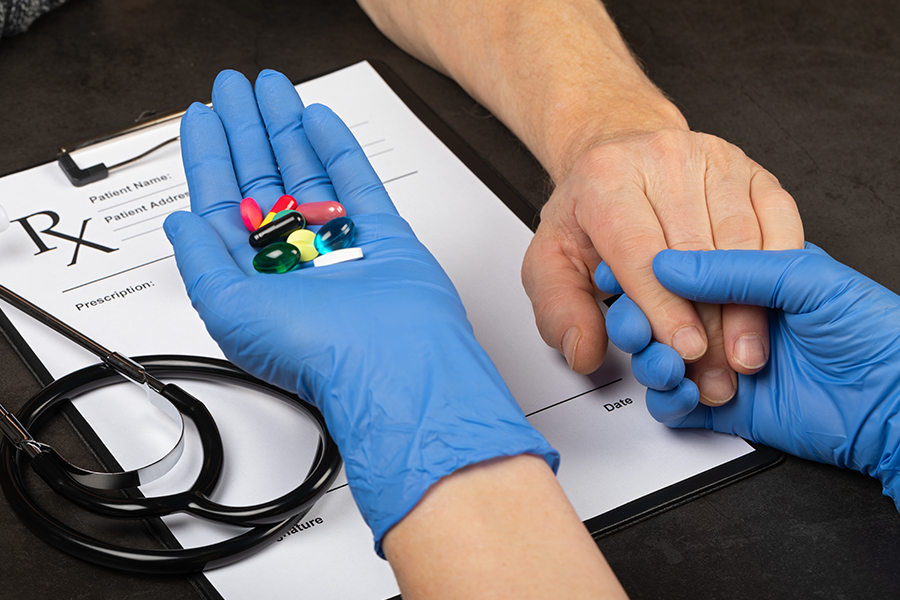
Inside Clinical Recovery Programs: How Science-Based Care Helps Treat Addiction

Addiction recovery is most successful when it is supported by a combination of science, compassion, and personalized care. Clinical recovery programs are designed to address addiction as a complex health condition that affects the brain, emotions, relationships, and daily life. Instead of relying on a single solution, modern treatment uses evidence-based methods, mental health support, and individualized strategies to help people achieve meaningful and lasting recovery. At CRA for Health, science-based care is combined with a compassionate approach to help individuals understand addiction, develop healthier coping skills, and create a stronger foundation for the future.

What Are Clinical Recovery Programs?

A Structured Approach to Addiction Treatment

Clinical recovery programs provide a structured framework for treating substance use disorders. These programs are guided by trained professionals who use research-supported methods to address the physical, emotional, and behavioral aspects of addiction.

Unlike approaches that focus only on stopping substance use, clinical treatment looks deeper. It helps individuals understand why addiction developed, identify personal triggers, and build the skills needed to maintain recovery over time.

Treating Addiction as a Whole-Person Condition

Addiction impacts more than one area of life. It can affect mental health, physical wellness, relationships, and personal goals. Effective treatment recognizes these connections and creates care plans that support the entire person.

This whole-person approach allows individuals to receive support that addresses both immediate challenges and long-term recovery needs.

The Role of Science-Based Care in Addiction Recovery

Evidence-Based Assessment and Treatment Planning

Every clinical recovery program begins with a detailed assessment. Professionals evaluate substance use history, mental health concerns, physical health, and personal circumstances to understand each individual’s unique needs.

This information guides the development of a personalized treatment plan. Instead of following a standard approach, clinicians create strategies that match the person’s goals, challenges, and recovery stage.

Behavioral Therapies That Support Change

Evidence-based therapies are central to clinical addiction treatment. Cognitive behavioral therapy helps individuals recognize unhealthy thought patterns and develop healthier responses to stress and triggers.

Motivational interviewing supports personal commitment by helping individuals explore their reasons for change. Group therapy also provides connection, accountability, and encouragement from others who understand the recovery process.

These therapeutic approaches help individuals gain practical tools they can use long after treatment ends.

Addressing Mental Health Alongside Addiction

Understanding Co-Occurring Conditions

Many people experiencing addiction also struggle with mental health challenges such as depression, anxiety, trauma, or chronic stress. These conditions can influence substance use and make recovery more difficult if left untreated.

Clinical recovery programs address these concerns through integrated mental health care. By treating addiction and mental health together, individuals have a stronger opportunity to achieve stability and long-term healing.

Building Emotional Resilience

Recovery requires more than avoiding substances. It requires learning how to manage emotions, handle challenges, and respond to stress in healthier ways.

Through therapy and clinical support, individuals develop emotional regulation skills that strengthen confidence and reduce the risk of relapse.

The Importance of Personalized Recovery Plans

Care Designed Around Individual Needs

Every person enters recovery with a different story. Personal experiences, health history, support systems, and goals all influence the treatment process.

Personalized recovery plans may include individual therapy, group counseling, medication-assisted treatment when appropriate, and holistic wellness services. These plans are adjusted as individuals make progress and discover new areas of growth.

Flexible Levels of Care

Clinical recovery programs can include different levels of support depending on a person’s needs.

Inpatient treatment provides a structured environment with intensive support for individuals who need focused care. Outpatient treatment allows individuals to continue receiving professional guidance while maintaining daily responsibilities.

Choosing the right level of care helps ensure that treatment is effective, manageable, and aligned with recovery goals.

Holistic and Faith-Based Support in Recovery

Supporting Physical, Emotional, and Spiritual Wellness

Science-based treatment is strengthened when it includes support for overall well-being. Holistic approaches such as mindfulness, stress management, healthy lifestyle practices, and wellness education can help individuals create a balanced recovery routine.

For those who value spirituality, faith-based care can provide additional encouragement, meaning, and connection throughout the recovery process.

Creating Long-Term Recovery Success

Continued Support After Treatment

Recovery does not end when a program is completed. Continued support through aftercare planning, therapy, and recovery resources helps individuals maintain the progress they have made.

Long-term success often depends on having the right tools, support network, and strategies to manage future challenges.

Moving Forward With Confidence

Clinical recovery programs show how science-based care can transform the addiction treatment process. By combining evidence-based therapies, mental health support, personalized planning, and compassionate guidance, individuals can move beyond addiction and build healthier futures.

At CRA for Health, recovery is approached with understanding, professionalism, and a commitment to helping each person receive the care they need. If you or someone you love is struggling with addiction, reaching out for professional support can be the first step toward lasting change and renewed hope.

Understanding Addiction Clinically: How Professional Treatment Supports Real Recovery

Addiction recovery becomes more achievable when it is understood through a clinical perspective. While addiction can deeply impact a person’s relationships, health, and daily life, it is also a condition that can be treated with the right support, structure, and professional guidance. Modern addiction treatment goes beyond simply stopping substance use. It focuses on understanding the underlying causes, improving mental health, developing healthy coping skills, and creating a foundation for long-term recovery. At CRA for Health, clinical addiction treatment combines evidence-based care, individualized treatment planning, and compassionate support to help individuals move toward lasting healing.

Viewing Addiction Through a Clinical Perspective

Addiction Is More Than a Behavior

Addiction is a complex condition that affects the brain, emotions, and behaviors. Over time, substance use can change the way the brain responds to stress, pleasure, and decision-making. These changes can make it difficult for individuals to stop using substances without professional intervention.

A clinical approach recognizes addiction as a health condition rather than a personal failure. This perspective allows treatment providers to focus on healing, not judgment. By understanding the science behind addiction, clinicians can create treatment plans that address both the symptoms and the deeper factors contributing to substance use.

The Connection Between Addiction and Mental Health

Many individuals struggling with addiction also experience mental health challenges. Conditions such as anxiety, depression, trauma, and chronic stress can influence substance use and make recovery more difficult.

Professional treatment addresses these challenges through integrated mental health care. By treating addiction and mental health together, individuals receive more complete support and have a stronger foundation for recovery.

The Role of Professional Assessment in Recovery

Understanding Each Individual’s Needs

Every person’s experience with addiction is different. Effective treatment begins with a comprehensive clinical assessment that looks at substance use history, emotional health, physical well-being, and personal circumstances.

This assessment helps clinicians understand the full picture and determine the most appropriate approach for care. It also allows treatment to be personalized rather than based on a standard program.

Creating an Individualized Recovery Plan

Personalized treatment plans are essential for successful recovery. A clinician may recommend a combination of therapies, medical support, mental health services, and holistic approaches based on the individual’s needs.

At CRA for Health, treatment plans are designed to adapt as individuals progress. Recovery is an ongoing process, and care should change as new challenges and goals emerge.

Evidence-Based Approaches That Support Healing

Behavioral Therapy and Skill Development

Clinical addiction treatment often includes evidence-based therapies that help individuals understand their thoughts, behaviors, and triggers. Cognitive behavioral therapy can help identify unhealthy patterns and replace them with healthier responses.

Therapy also teaches important skills for managing stress, handling difficult emotions, and preventing relapse. These skills help individuals build confidence and maintain progress beyond treatment.

Medication-Assisted Treatment When Appropriate

For some individuals, medication-assisted treatment can support the recovery process. These medications may help reduce cravings, manage withdrawal symptoms, and create greater stability during treatment.

When combined with counseling and behavioral support, medication-assisted treatment can be an important tool in a comprehensive recovery plan.

The Importance of Holistic and Faith-Based Care

Treating the Whole Person

Recovery involves more than addressing substance use. It also involves rebuilding physical health, emotional balance, and personal confidence. Holistic approaches such as mindfulness, wellness practices, stress management, and healthy lifestyle support can strengthen the recovery process.

These approaches help individuals develop routines and habits that support long-term well-being.

Finding Strength Through Purpose and Connection

For individuals who value spirituality, faith-based care can provide additional encouragement and meaning during recovery. A sense of purpose and connection can help individuals remain motivated through challenges and continue moving forward.

Choosing the Right Level of Care

Inpatient Addiction Treatment

Inpatient treatment provides a structured environment where individuals receive intensive support and guidance. This level of care can be beneficial for those who need a focused setting to begin recovery safely.

With professional supervision and consistent support, individuals can develop the foundation needed for lasting change.

Outpatient Addiction Treatment

Outpatient treatment provides ongoing care while allowing individuals to continue daily responsibilities. This approach may include therapy sessions, counseling, and recovery support while maintaining connections with work, family, or community.

The right level of care depends on each person’s needs, goals, and recovery journey.

Building Real Recovery Through Clinical Support

Understanding addiction clinically helps remove stigma and highlights the importance of professional care. Recovery is not just about overcoming a substance. It is about healing the emotional, physical, and psychological factors that influence addiction.

At CRA for Health, clinical addiction treatment focuses on compassionate, individualized care that supports the entire person. Through evidence-based therapies, mental health treatment, holistic approaches, and structured recovery planning, individuals can take meaningful steps toward a healthier future.

If you or someone you love is struggling with addiction, reaching out for professional support can be the beginning of a powerful transformation. Contact CRA for Health today to learn how personalized clinical treatment can help support real recovery and lasting healing.

What Clinical Addiction Treatment Really Means: A Clear Guide to Modern Recovery Care

Clinical addiction treatment is often mentioned, but not always clearly understood. For many individuals and families facing substance use challenges, the term can feel technical or distant. In reality, it represents a structured, compassionate, and evidence-based approach to recovery that focuses on healing the whole person. At CRA for Health, clinical addiction treatment combines science, mental health care, and individualized support to help people rebuild their lives with stability and purpose. Understanding what this type of care truly means can make the path to recovery feel more accessible and less overwhelming.

Understanding Clinical Addiction Treatment

Addiction as a Medical Condition

Addiction is not simply a behavioral issue or lack of control. It is a chronic medical condition that affects brain chemistry, emotional regulation, and decision-making. Substances can change how the brain processes reward and stress, making it difficult to stop using without structured support.

Clinical treatment is built on this medical understanding. It focuses on restoring balance, reducing cravings, and helping individuals regain control of their lives through proven therapeutic methods.

Why Professional Care Is Essential

Attempting to overcome addiction alone can be extremely challenging. Withdrawal symptoms, emotional distress, and underlying mental health conditions often make recovery more complex. Clinical care provides medical supervision, emotional support, and structured guidance to ensure safety and stability throughout the process.

The Core Components of Clinical Addiction Treatment

Comprehensive Assessment and Evaluation

Every recovery journey begins with a detailed clinical assessment. This process includes evaluating substance use history, mental health conditions, physical health, and personal circumstances. The goal is to understand the full picture of the individual, not just the addiction itself.

At CRA for Health, this step ensures that treatment is tailored to each person’s specific needs from the very beginning.

Individualized Treatment Planning

No two recovery journeys are the same. After assessment, clinicians create a personalized treatment plan that outlines the most effective combination of therapies and support services.

These plans may include individual counseling, group therapy, medication-assisted treatment, and holistic wellness practices. As progress is made, treatment plans are adjusted to reflect new goals and challenges.

Evidence-Based Therapies That Support Recovery

Cognitive and Behavioral Therapies

Cognitive behavioral therapy is one of the most widely used approaches in clinical addiction treatment. It helps individuals recognize negative thought patterns and replace them with healthier coping strategies. This approach is highly effective in preventing relapse and building emotional resilience.

Motivational interviewing is another key method that encourages individuals to explore their own reasons for change and strengthen internal motivation.

Group Therapy and Peer Support

Group therapy provides a structured environment where individuals can share experiences and learn from others facing similar challenges. This sense of connection reduces isolation and builds accountability, both of which are essential for recovery.

Integrated Mental Health Care

Treating Co-Occurring Disorders

Many individuals with substance use disorders also experience mental health conditions such as anxiety, depression, or trauma. These issues often reinforce one another, making recovery more difficult without integrated care.

Clinical treatment addresses both addiction and mental health simultaneously. This integrated approach improves outcomes and supports long-term stability.

Medication-Assisted Treatment When Appropriate

For some individuals, medication-assisted treatment can be an important part of recovery. These medications help reduce cravings and stabilize brain chemistry, allowing individuals to focus more effectively on therapy and personal growth.

Holistic and Faith-Based Support

Healing the Whole Person

Recovery is not only about stopping substance use. It is about rebuilding physical, emotional, and spiritual well-being. Holistic care includes mindfulness practices, stress management, exercise, and nutrition support. These tools help individuals develop healthier daily habits and improve overall quality of life.

The Role of Faith and Meaning

For individuals who value spirituality, faith-based support can provide additional strength and purpose during recovery. It encourages reflection, hope, and resilience, especially during challenging moments.

Levels of Care in Clinical Treatment

Inpatient Programs

Inpatient treatment provides 24-hour structured care in a safe environment. This level of care is often recommended for individuals who need intensive support or medical supervision during early recovery.

Outpatient Programs

Outpatient treatment offers flexibility while still providing access to clinical care. Individuals can continue working, attending school, or caring for family while participating in scheduled therapy sessions and recovery support.

Building a Life Beyond Addiction

Recovery does not end when treatment concludes. Aftercare plays a vital role in maintaining long-term success. Continued therapy, support groups, and ongoing clinical guidance help individuals stay grounded and supported as they transition back into daily life.

A Clear Path Toward Healing

Clinical addiction treatment is not just a medical process. It is a comprehensive approach to healing that combines science, structure, and compassion. At CRA for Health, every program is designed to support the whole person through individualized care, mental health treatment, and holistic support.

If you or someone you love is struggling with addiction, reaching out for help is the most important step. Contact CRA for Health today to learn how compassionate clinical care can guide you toward lasting recovery, renewed strength, and a healthier future.