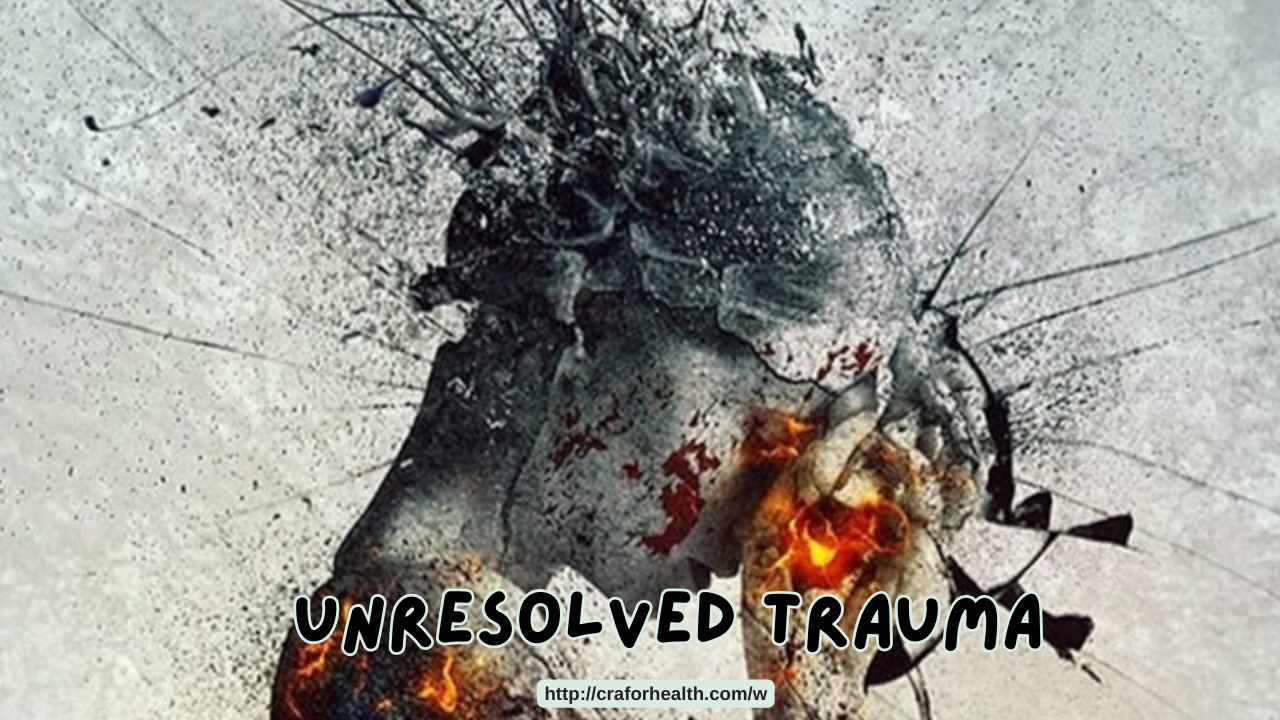
Unresolved Trauma Impacts Recovery
Recovery from addiction is a journey that requires more than simply abstaining from substances. For many individuals, unresolved trauma plays a central role in their struggle with substance use. Traumatic experiences, whether from childhood abuse, accidents, or other emotionally distressing events, can leave lasting psychological wounds. When these wounds remain unaddressed, they often manifest as triggers that increase the risk of relapse. Understanding the connection between trauma and relapse is essential for long-term recovery and sustained sobriety.
Understanding Trauma and Its Effects on Recovery
Trauma affects the brain, altering emotional regulation, stress response, and decision-making abilities. Individuals living with unresolved trauma may experience heightened anxiety, intrusive thoughts, or emotional instability. These reactions can create intense urges to seek relief through drugs or alcohol, which temporarily numb emotional pain but ultimately reinforce addiction.
Triggers are often the mechanism through which trauma impacts recovery. They can be external, such as visiting a location associated with past substance use, or internal, like experiencing stress, anger, or emotional pain. Both types of triggers can lead to cravings and increase the risk of relapse if not effectively managed.
Common Triggers in Recovery
External Triggers
External triggers are environmental cues that remind individuals of past substance use or traumatic events. Common examples include:
- Certain places or neighborhoods associated with substance use
- Social situations where drugs or alcohol are present
- Specific people or relationships tied to past trauma or addiction
Recognizing and avoiding or preparing for these triggers is a critical part of a relapse prevention strategy.
Internal Triggers
Internal triggers originate from thoughts, emotions, or physical states. Examples include:
- Stress or feelings of overwhelm
- Depression or anxiety
- Emotional flashbacks or unresolved grief
Internal triggers are particularly challenging because they can arise spontaneously and often require ongoing coping strategies to manage effectively.
Clinical Approaches to Managing Triggers
Successfully managing trauma-related triggers requires a combination of therapy, support, and personalized care.
Trauma-Informed Therapy
Therapies such as Cognitive Behavioral Therapy (CBT) and Eye Movement Desensitization and Reprocessing (EMDR) help individuals process unresolved trauma. These approaches teach coping skills, reduce emotional reactivity, and provide tools to manage triggers before they lead to relapse.
Addiction Recovery Programs
Structured inpatient and outpatient programs provide a supportive environment where individuals can focus on both trauma and addiction recovery. Medication-assisted treatment (MAT) can reduce cravings and withdrawal symptoms, allowing clients to engage more fully in therapy and relapse prevention work.
Holistic and Faith-Based Practices
Incorporating mindfulness, meditation, yoga, and nutritional support helps regulate emotions and build resilience against triggers. For those who find strength in spirituality, faith-based approaches can offer guidance, purpose, and additional community support during recovery.
Individualized Care Plans
Every person’s experience with trauma and addiction is unique. Personalized treatment plans ensure that therapy, support, and coping strategies are tailored to each individual’s needs, history, and goals. This approach increases the likelihood of long-term recovery and minimizes the risk of relapse.
Moving Forward in Recovery
Understanding how unresolved trauma contributes to triggers and relapse is essential for anyone seeking lasting sobriety. By addressing both the psychological and physiological aspects of trauma, individuals can break the cycle that fuels addiction and build healthier coping mechanisms.
Take the Next Step
If you or a loved one is struggling with addiction and the effects of unresolved trauma, help is available. At CRA for Health, we offer compassionate, client-centered care that addresses both trauma and substance use. Our integrated programs combine clinical expertise, holistic healing, and individualized support to guide you through recovery and toward a healthier, more stable future. Contact us today to begin your journey toward lasting healing and sobriety.