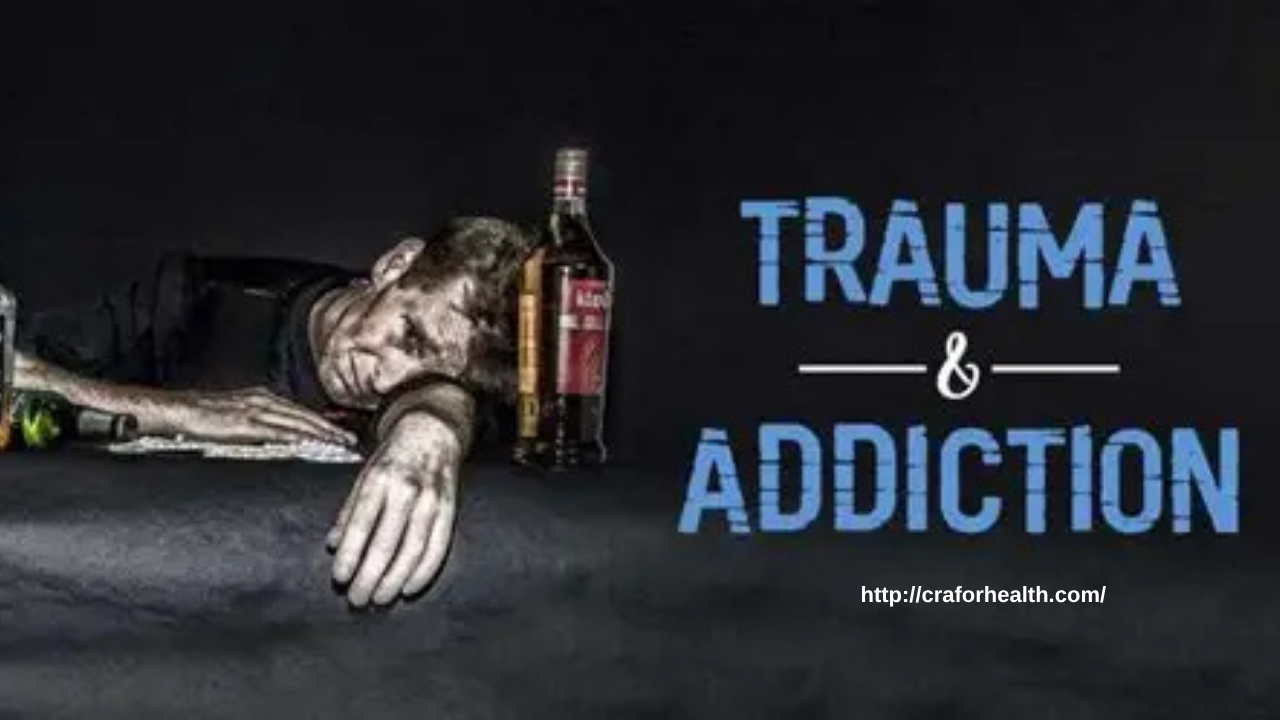
Addiction and trauma are deeply intertwined. For many individuals struggling with substance use disorders, the roots of their addiction lie in past traumatic experiences. Whether it’s childhood abuse, domestic violence, military combat, or a severe accident, trauma can leave emotional scars that are difficult to heal. When these emotional wounds go unaddressed, many people turn to drugs or alcohol as a way to cope, creating a dangerous cycle of self-medication and dependency.
Understanding the Trauma-Addiction Connection
Trauma affects the brain and body in profound ways. People with Post-Traumatic Stress Disorder (PTSD) often experience flashbacks, nightmares, anxiety, and a constant sense of being on edge. These symptoms can make daily life feel unbearable. To find relief, some individuals use substances like alcohol, opioids, or stimulants to numb emotional pain or quiet intrusive memories. This temporary escape, however, often leads to long-term problems.
Substance use can initially seem to help manage trauma symptoms, but over time it creates its own set of issues. Dependence, tolerance, and addiction develop, leaving individuals caught in a vicious cycle where trauma feeds addiction, and addiction exacerbates trauma. For example, substance use can lead to risky behaviors, damaged relationships, or legal problems—creating new traumatic experiences that deepen emotional distress.
The Brain’s Role in Trauma and Addiction
Trauma alters the brain’s stress and reward systems. The amygdala, which processes fear and emotional responses, becomes hyperactive after trauma, while the prefrontal cortex, responsible for rational decision-making, may become less active. This imbalance can lead to impulsivity and emotional instability.
At the same time, substances like drugs and alcohol flood the brain with dopamine, a chemical linked to pleasure and reward. This temporarily masks the pain of trauma but reinforces substance use as a coping mechanism. Over time, the brain learns to associate drug use with emotional relief, making it harder to break the pattern.
Breaking the Cycle: Trauma-Informed Addiction Treatment
To effectively treat addiction that stems from trauma, both conditions must be addressed together. This is called integrated treatment, and it often includes:
- Trauma-Focused Therapy: Approaches like Cognitive Behavioral Therapy (CBT), Eye Movement Desensitization and Reprocessing (EMDR), or Prolonged Exposure Therapy help individuals process traumatic memories in a safe and structured way.
- Medication-Assisted Treatment (MAT): In some cases, medications can help manage cravings or stabilize mood, making therapy more effective.
- Mindfulness and Stress Reduction: Techniques like meditation, yoga, or deep breathing can help individuals regulate emotions and reduce triggers for substance use.
- Support Groups: Connecting with others who have experienced trauma and addiction provides a sense of community and reduces isolation.
Conclusion
The link between trauma and addiction is powerful but not unbreakable. By addressing both the emotional wounds of trauma and the behavioral patterns of substance use, individuals can heal from the inside out. Recovery is not just about stopping drug or alcohol use—it’s about reclaiming life after trauma and building a future grounded in resilience, connection, and hope.