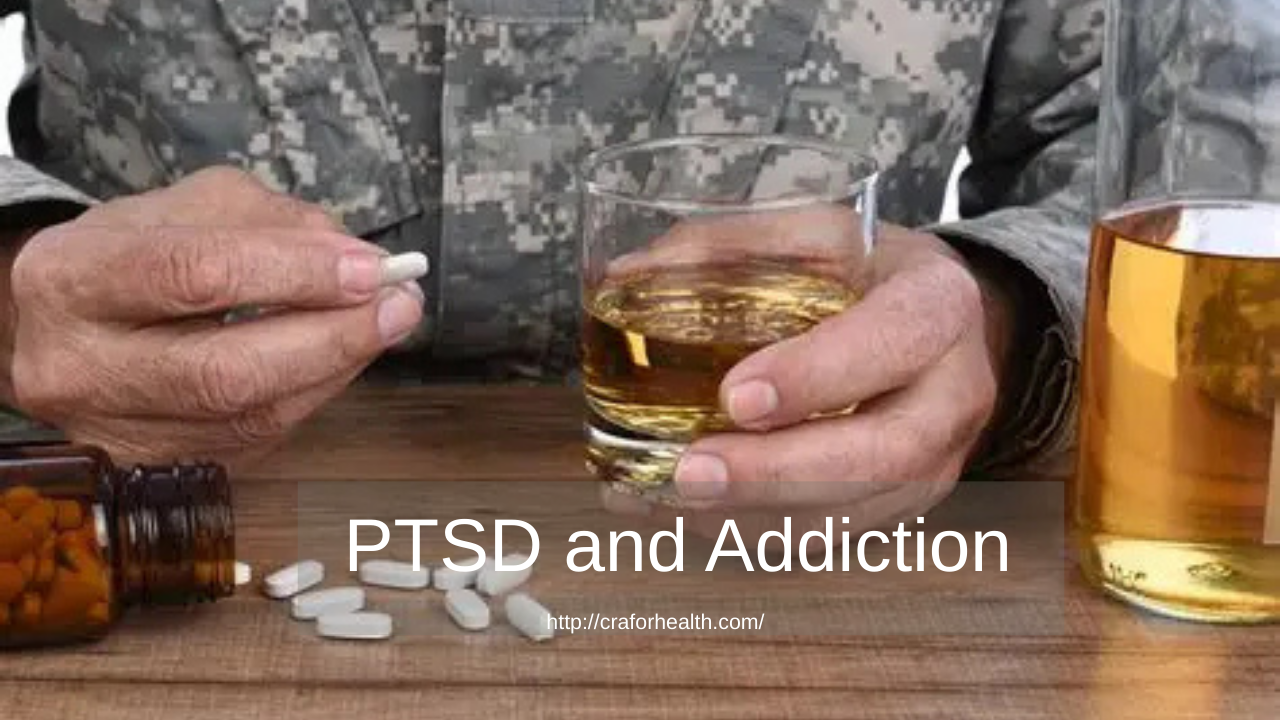
Trauma can leave lasting scars that extend far beyond the event itself. For many individuals, the effects of Post-Traumatic Stress Disorder (PTSD) intersect with substance use, creating a cycle where unresolved trauma fuels addiction. Drugs and alcohol may temporarily numb emotional pain or quiet intrusive thoughts, but they often lead to dependence and make long-term healing more challenging. Understanding the deep connection between PTSD and addiction is essential for recovery, and addressing both simultaneously is key to lasting change.
Understanding the PTSD-Addiction Connection
PTSD can alter the brain’s stress response, emotional regulation, and decision-making processes. Individuals may experience flashbacks, hypervigilance, nightmares, and heightened anxiety. These symptoms can be overwhelming, leading many to turn to substances as a form of self-medication. While substance use may provide short-term relief, it does not resolve the underlying trauma and can exacerbate symptoms over time.
The interplay between PTSD and addiction is complex. Substance use can temporarily dampen emotional pain, but it also rewires brain pathways associated with reward and stress. Over time, this creates dependence and intensifies the emotional dysregulation caused by trauma. Without integrated care, individuals are at a higher risk of relapse, emotional distress, and prolonged recovery challenges.
The Importance of Integrated Treatment
Treating PTSD and addiction separately often falls short. Dual diagnosis or integrated treatment addresses both conditions simultaneously, acknowledging that one cannot be fully treated without the other. This approach increases the likelihood of successful recovery by targeting the root causes of substance use and helping individuals develop healthier coping mechanisms.
Evidence-Based Clinical Approaches
Trauma-Focused Therapy
Therapies such as Cognitive Behavioral Therapy (CBT), Eye Movement Desensitization and Reprocessing (EMDR), and Prolonged Exposure Therapy provide safe, structured ways to process traumatic memories. These therapies help reduce PTSD symptoms while teaching strategies to manage triggers and emotional distress without turning to substances.
Addiction Treatment Programs
Recovery programs combine medical support, counseling, and behavioral therapy to address substance use. Inpatient and outpatient care options provide structured environments where individuals can safely detox, build coping skills, and receive ongoing support. Medication-assisted treatment (MAT) can also help manage cravings and withdrawal symptoms, making it easier to focus on trauma healing.
Holistic and Faith-Based Support
Healing the mind and body requires more than clinical interventions alone. Holistic approaches, including mindfulness, yoga, nutrition counseling, and meditation, support emotional regulation and overall well-being. Faith-based programs provide spiritual guidance and encouragement, fostering resilience and purpose during recovery.
Individualized Care Plans
Every person’s experience with trauma and addiction is unique. Personalized treatment plans are tailored to an individual’s history, needs, and recovery goals. This client-centered approach ensures care is relevant, effective, and sustainable over the long term.
Moving Beyond the Surface
Recovery from PTSD and addiction is a journey that goes beyond simply stopping substance use. It involves addressing deep-seated trauma, developing new coping strategies, and rebuilding trust in oneself and others. With integrated treatment, compassionate support, and a holistic approach, individuals can break the cycle of trauma-driven addiction and achieve meaningful, lasting recovery.
Take the First Step Toward Healing
If you or a loved one is struggling with PTSD and addiction, help is available. At CRA for Health, we provide individualized, evidence-based care designed to address both trauma and substance use. Our compassionate team combines clinical expertise, holistic practices, and faith-based support to guide you through every stage of recovery. Contact us today to begin your journey toward lasting healing and a brighter, healthier future.