Author: contributor

Beyond the Surface: Treating PTSD and Addiction Together for Lasting Recovery

Trauma can leave lasting scars that extend far beyond the event itself. For many individuals, the effects of Post-Traumatic Stress Disorder (PTSD) intersect with substance use, creating a cycle where unresolved trauma fuels addiction. Drugs and alcohol may temporarily numb emotional pain or quiet intrusive thoughts, but they often lead to dependence and make long-term healing more challenging. Understanding the deep connection between PTSD and addiction is essential for recovery, and addressing both simultaneously is key to lasting change.

Understanding the PTSD-Addiction Connection

PTSD can alter the brain’s stress response, emotional regulation, and decision-making processes. Individuals may experience flashbacks, hypervigilance, nightmares, and heightened anxiety. These symptoms can be overwhelming, leading many to turn to substances as a form of self-medication. While substance use may provide short-term relief, it does not resolve the underlying trauma and can exacerbate symptoms over time.

The interplay between PTSD and addiction is complex. Substance use can temporarily dampen emotional pain, but it also rewires brain pathways associated with reward and stress. Over time, this creates dependence and intensifies the emotional dysregulation caused by trauma. Without integrated care, individuals are at a higher risk of relapse, emotional distress, and prolonged recovery challenges.

The Importance of Integrated Treatment

Treating PTSD and addiction separately often falls short. Dual diagnosis or integrated treatment addresses both conditions simultaneously, acknowledging that one cannot be fully treated without the other. This approach increases the likelihood of successful recovery by targeting the root causes of substance use and helping individuals develop healthier coping mechanisms.

Evidence-Based Clinical Approaches

Trauma-Focused Therapy

Therapies such as Cognitive Behavioral Therapy (CBT), Eye Movement Desensitization and Reprocessing (EMDR), and Prolonged Exposure Therapy provide safe, structured ways to process traumatic memories. These therapies help reduce PTSD symptoms while teaching strategies to manage triggers and emotional distress without turning to substances.

Addiction Treatment Programs

Recovery programs combine medical support, counseling, and behavioral therapy to address substance use. Inpatient and outpatient care options provide structured environments where individuals can safely detox, build coping skills, and receive ongoing support. Medication-assisted treatment (MAT) can also help manage cravings and withdrawal symptoms, making it easier to focus on trauma healing.

Holistic and Faith-Based Support

Healing the mind and body requires more than clinical interventions alone. Holistic approaches, including mindfulness, yoga, nutrition counseling, and meditation, support emotional regulation and overall well-being. Faith-based programs provide spiritual guidance and encouragement, fostering resilience and purpose during recovery.

Individualized Care Plans

Every person’s experience with trauma and addiction is unique. Personalized treatment plans are tailored to an individual’s history, needs, and recovery goals. This client-centered approach ensures care is relevant, effective, and sustainable over the long term.

Moving Beyond the Surface

Recovery from PTSD and addiction is a journey that goes beyond simply stopping substance use. It involves addressing deep-seated trauma, developing new coping strategies, and rebuilding trust in oneself and others. With integrated treatment, compassionate support, and a holistic approach, individuals can break the cycle of trauma-driven addiction and achieve meaningful, lasting recovery.

Take the First Step Toward Healing

If you or a loved one is struggling with PTSD and addiction, help is available. At CRA for Health, we provide individualized, evidence-based care designed to address both trauma and substance use. Our compassionate team combines clinical expertise, holistic practices, and faith-based support to guide you through every stage of recovery. Contact us today to begin your journey toward lasting healing and a brighter, healthier future.
Escaping the Past: How Trauma Drives Substance Abuse and What to Do About It

For many individuals struggling with addiction, the roots of substance use often run deeper than the surface. Trauma, whether from childhood abuse, combat experiences, domestic violence, or other painful events, can leave lasting scars on the mind and body. When these wounds remain unresolved, they often fuel the cycle of substance abuse. Drugs and alcohol may seem to offer relief, but over time, they create an even greater burden. The good news is that recovery is possible. With the right treatment approach, it is possible to heal from both trauma and addiction together.

The Connection Between Trauma and Substance Abuse

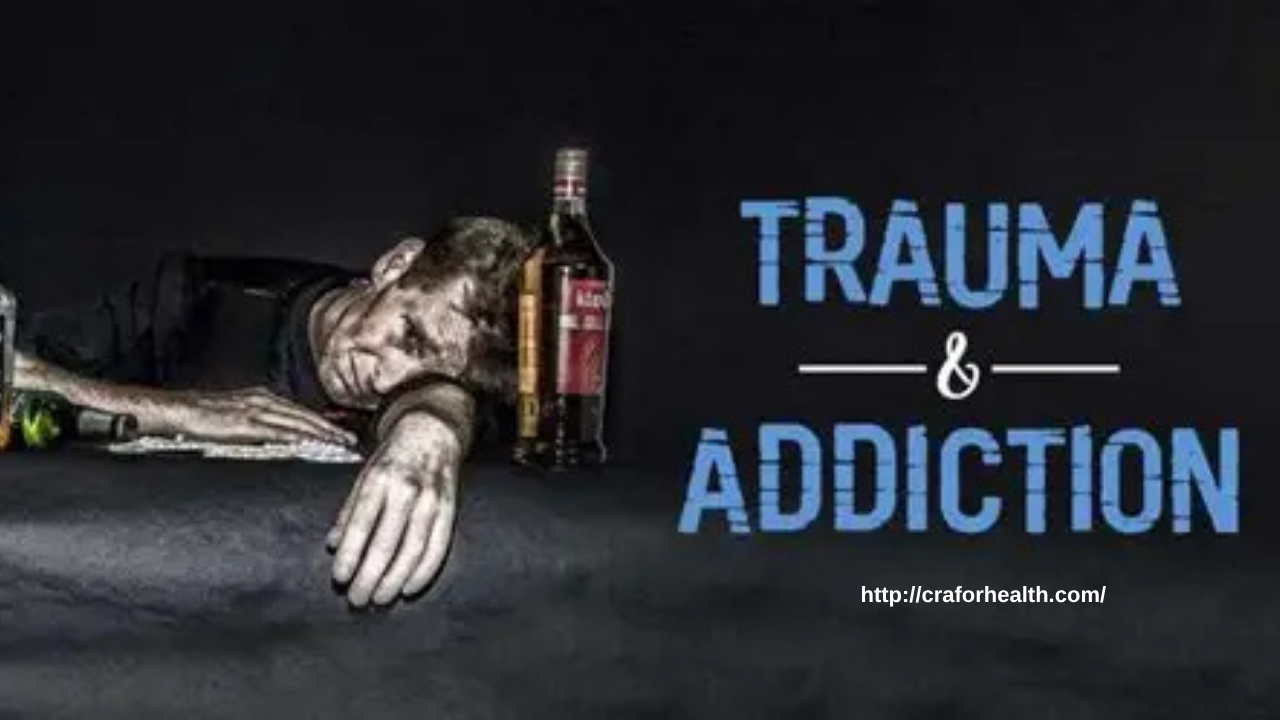
Trauma can overwhelm the brain’s natural ability to regulate emotions and manage stress. Many people turn to substances as a way to escape painful memories, numb emotional distress, or cope with symptoms of post-traumatic stress disorder (PTSD). This process, often called self-medication, may provide temporary relief but quickly leads to dependency. Addiction then becomes a barrier to healing, trapping individuals in a cycle where trauma drives substance use, and substance use deepens the impact of trauma.

Why Treating Trauma and Addiction Together Matters

Addressing only the addiction or only the trauma is rarely effective. If trauma is ignored, the risk of relapse remains high, as unresolved pain often resurfaces and triggers substance use. This is why dual diagnosis treatment is essential. By integrating trauma-informed care with addiction recovery services, individuals have the opportunity to break free from the past and build a healthier future.

Clinical Approaches That Work

Trauma-Informed Therapy

Therapies such as Cognitive Behavioral Therapy (CBT), Eye Movement Desensitization and Reprocessing (EMDR), and Prolonged Exposure Therapy are designed to help individuals process and heal from trauma. These evidence-based methods provide tools to manage triggers, reduce intrusive memories, and restore a sense of safety.

Addiction Treatment and Support

Recovery programs often combine detoxification, counseling, medication-assisted treatment, and relapse prevention strategies. Whether through inpatient or outpatient care, structured addiction treatment provides the stability needed to focus on healing while building the skills to maintain long-term sobriety.

Holistic and Faith-Based Healing

Healing is not only clinical but also holistic. Practices such as mindfulness, meditation, yoga, and nutrition counseling help restore balance to the body and mind. For those who find strength in faith, spiritual support can provide comfort and guidance during recovery, creating an added layer of resilience.

Individualized Care

No two people experience trauma or addiction the same way. Personalized treatment plans ensure that care is tailored to each person’s history, needs, and goals. This client-centered approach fosters trust, empowerment, and long-term success.

Steps Toward Lasting Recovery

Recovery begins with acknowledging the role trauma plays in addiction and seeking help that addresses both. Escaping the past does not mean erasing it, but rather learning how to heal from it. With the right support, individuals can move forward, leaving behind cycles of pain and substance use.

Take the Next Step

If you or someone you love is caught between trauma and addiction, you are not alone. At CRA for Health, we provide compassionate, individualized care that addresses both the wounds of trauma and the challenges of substance use. Our team offers clinical expertise, holistic healing, and faith-based support to guide you toward recovery. Reach out today to begin your journey to healing and reclaim the life you deserve.

The Trauma-Addiction Connection: Clinical Approaches to Dual Recovery

Trauma and addiction are deeply intertwined. For many individuals, unresolved trauma can be a hidden driver behind substance use disorders. Whether the trauma stems from childhood abuse, domestic violence, military combat, or other life-altering experiences, its effects can linger, manifesting as anxiety, depression, hypervigilance, or post-traumatic stress disorder (PTSD). Understanding this connection is critical for achieving long-term recovery. At CRA for Health, we offer a compassionate, client-centered approach that addresses both trauma and addiction through integrated clinical care.

Understanding the Link Between Trauma and Addiction

When someone experiences trauma, the brain undergoes significant changes. The amygdala, responsible for detecting threats, can become hyperactive, creating constant fear or anxiety. The prefrontal cortex, which regulates emotions and decision-making, may function less effectively, making it harder to manage stress or make healthy choices. Many individuals turn to drugs or alcohol as a way to self-medicate, temporarily reducing emotional pain or numbing distressing memories. Unfortunately, this coping mechanism often leads to substance dependence, creating a cycle that reinforces both trauma and addiction.

The Importance of Dual Diagnosis Treatment

Treating trauma and addiction separately can be ineffective. Integrated or dual diagnosis treatment recognizes that substance use disorders and mental health conditions are interconnected and must be addressed simultaneously. Dual recovery approaches combine therapy, medication, and holistic practices to ensure that both conditions are treated comprehensively.

Clinical Approaches to Dual Recovery

Trauma-Focused Therapy

Evidence-based therapies such as Cognitive Behavioral Therapy (CBT), Eye Movement Desensitization and Reprocessing (EMDR), and Prolonged Exposure Therapy are highly effective for addressing trauma. These approaches help individuals process traumatic memories safely, develop healthier coping mechanisms, and reduce the intensity of PTSD symptoms. Therapy sessions are tailored to each client, ensuring that emotional needs are met in a safe and supportive environment.

Addiction Treatment

Recovery from addiction requires structured treatment that may include inpatient or outpatient care depending on the severity of the disorder. Programs focus on detoxification, relapse prevention, skill-building, and therapy. Medication-assisted treatment (MAT) may also be used to reduce cravings and support stabilization. By integrating trauma-informed care with addiction treatment, clients are able to address the root causes of their substance use rather than just the symptoms.

Holistic and Faith-Based Approaches

In addition to clinical interventions, holistic care supports the mind, body, and spirit. Techniques such as mindfulness, yoga, meditation, and nutritional counseling promote overall well-being and resilience. Faith-based programs provide spiritual support for clients who find strength and guidance through their beliefs, creating an additional layer of encouragement and purpose during recovery.

Individualized Treatment Plans

Every client has unique experiences and needs. Individualized treatment plans are designed to address specific trauma histories, addiction patterns, and personal goals. This personalized approach ensures that care is effective, relevant, and sustainable over the long term.

Moving Forward with Recovery

Recovery from trauma and addiction is possible with the right support, expertise, and structured plan. Dual diagnosis treatment offers a path to healing by addressing both conditions simultaneously, empowering clients to break the cycle of self-medication and regain control over their lives.

Take the Next Step

If you or a loved one is struggling with trauma and addiction, help is available. At CRA for Health, we provide compassionate, individualized care designed to support your journey toward dual recovery. Contact us today to learn more about our programs and begin building a healthier, more fulfilling future.

Trauma’s Hidden Impact: Why PTSD and Addiction Often Go Hand in Hand

Trauma leaves deep marks, both seen and unseen. For many, the emotional wounds of a traumatic experience linger long after the event has passed, showing up as nightmares, anxiety, or constant hypervigilance. When these symptoms develop into Post-Traumatic Stress Disorder (PTSD), daily life can become overwhelming. To cope, some individuals turn to drugs or alcohol for relief. While this may temporarily numb the pain, it often leads to a dangerous cycle of dependency. Understanding how PTSD and addiction are connected is an important step toward lasting recovery.

How Trauma Shapes the Mind and Body

PTSD is more than a collection of difficult memories. It changes how the brain and body respond to stress. The amygdala, responsible for detecting threats, can become overactive, causing constant feelings of danger. At the same time, the prefrontal cortex, which helps regulate emotions, may function less effectively. This imbalance can leave individuals stuck in a state of fear, anxiety, and emotional instability.

These changes also affect the brain’s reward system. For someone living with PTSD, substances can feel like a quick escape from overwhelming emotions. Alcohol might provide temporary calm, while drugs may help mute intrusive thoughts or improve sleep. Unfortunately, this short-term relief often fuels long-term harm.

The Self-Medication Cycle

Many people with PTSD fall into what is known as the self-medication cycle. This occurs when substances are used to control symptoms, but over time the brain begins to depend on them. Tolerance develops, meaning more of the substance is needed to achieve the same effect. Eventually, the original trauma remains unaddressed while a substance use disorder takes hold.

The symptoms of withdrawal can also mimic or worsen PTSD symptoms. Anxiety, insomnia, and irritability can make it hard to tell whether someone is struggling with trauma, addiction, or both. Without integrated treatment, individuals may find themselves stuck in a loop that feels impossible to break.

Why PTSD and Addiction Require Integrated Care

Treating PTSD and addiction separately can leave one condition unaddressed, increasing the risk of relapse. This is why an integrated, dual-diagnosis approach is essential. By addressing both conditions at the same time, individuals have a better chance of building lasting recovery.

Key elements of effective treatment include:

  • Trauma-informed therapy such as EMDR (Eye Movement Desensitization and Reprocessing) or Cognitive Behavioral Therapy designed for trauma.
  • Holistic healing that addresses physical, emotional, and spiritual well-being.
  • Faith-based support for those who find strength in spiritual connection.
  • Individualized care plans that adapt to each person’s unique experiences and needs.
  • Inpatient and outpatient options to provide flexibility and the right level of care at each stage of recovery.

Moving Toward Healing

Healing from both PTSD and addiction is possible. It begins with compassionate, professional support that understands the deep connection between trauma and substance use. In the right environment, individuals can learn healthy coping strategies, process their trauma safely, and rebuild their lives without the need for substances.

Take the First Step

If you or someone you love is struggling with PTSD and addiction, know that you are not alone. The path forward may feel uncertain, but recovery is possible with the right care. Our team is here to guide you through a personalized treatment plan that addresses both trauma and substance use. Contact us today to begin your journey toward a healthier, more hopeful future.

Self-Medication and PTSD: Understanding the Roots of Addiction

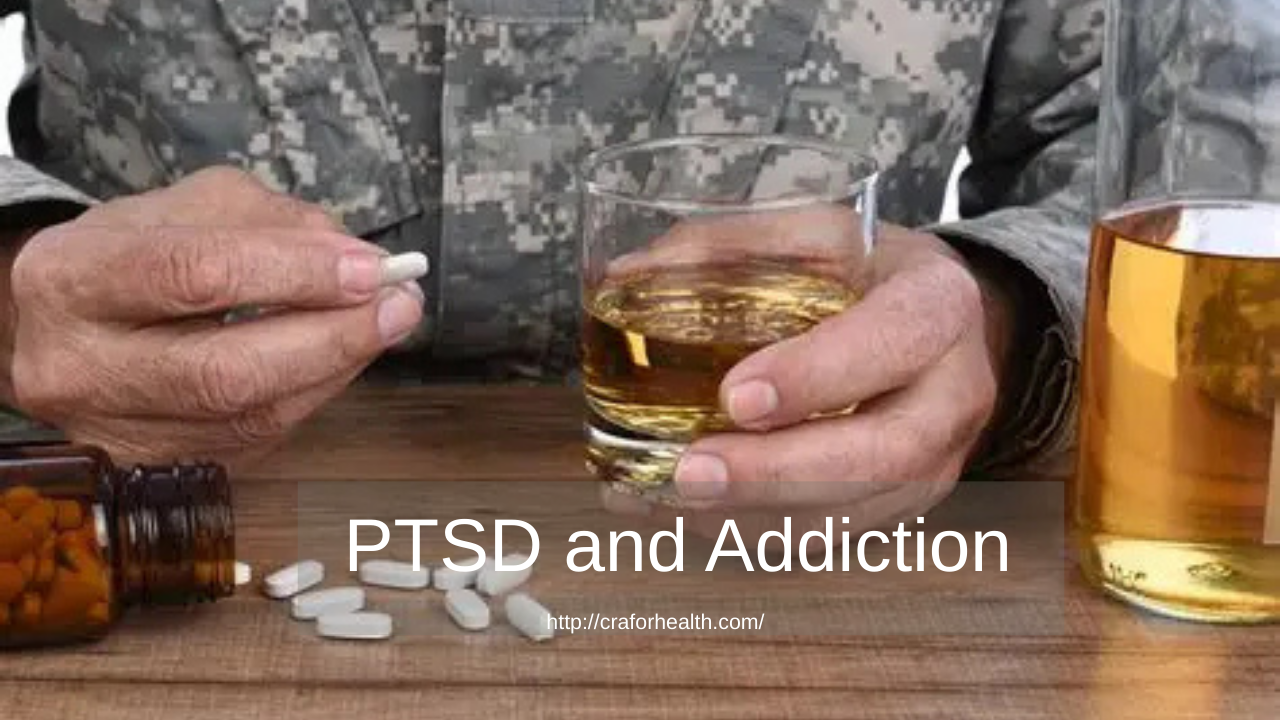
Post-Traumatic Stress Disorder (PTSD) is a debilitating mental health condition that can arise after experiencing or witnessing traumatic events, such as military combat, physical or sexual abuse, natural disasters, or violent accidents. While PTSD affects millions of individuals, one of its most dangerous and misunderstood consequences is the increased risk of substance use disorders. Many people living with PTSD turn to alcohol or drugs to numb their pain—a behavior known as self-medication. Unfortunately, this coping mechanism often leads to addiction, creating a complex cycle that is difficult to break.

Why PTSD Leads to Self-Medication

PTSD symptoms can be intense and chronic. They include flashbacks, nightmares, hypervigilance, insomnia, irritability, and emotional numbness. For someone struggling to cope with these symptoms, substances may offer temporary relief. Alcohol may help a person sleep or reduce anxiety, while stimulants or opioids might dull emotional pain or energize someone stuck in depression.

However, this relief is fleeting. Over time, the body builds a tolerance, requiring more of the substance to achieve the same effect. What starts as a coping strategy quickly spirals into physical and psychological dependence. The original trauma remains unresolved, and the new problem of addiction adds another layer of suffering.

The Self-Medication Hypothesis

The self-medication hypothesis suggests that individuals with mental health disorders use substances to manage psychological distress. In the case of PTSD, this often manifests as a subconscious attempt to regulate overwhelming emotions, block intrusive thoughts, or regain a sense of control. But rather than healing, self-medication postpones recovery and worsens both conditions.

Studies show that people with PTSD are significantly more likely to develop substance use disorders than those without the condition. Veterans, survivors of abuse, and first responders are among the most vulnerable groups, often dealing with undiagnosed or untreated PTSD for years before seeking help.

The Dangerous Cycle

Self-medicating with drugs or alcohol may appear to work in the short term, but it reinforces avoidance—the very behavior that prevents PTSD recovery. Instead of processing trauma, individuals push it down with substances, which only strengthens the emotional charge of their memories. Additionally, substance use increases the likelihood of risky behaviors and new traumatic experiences, further entrenching the cycle.

Withdrawal symptoms—such as anxiety, insomnia, or depression—can mirror or amplify PTSD symptoms, making it difficult to distinguish one from the other. This overlap complicates diagnosis and treatment, especially if care providers do not screen for co-occurring conditions.

Pathways to Healing

The first step in breaking the cycle is recognizing that both PTSD and addiction require treatment—together. This dual-diagnosis approach involves:

  • Trauma-informed care that prioritizes safety, empathy, and empowerment
  • Integrated therapies like Cognitive Behavioral Therapy (CBT) or EMDR
  • Medication-Assisted Treatment (MAT) to manage withdrawal and stabilize mood
  • Peer support groups and ongoing counseling to reinforce recovery

Conclusion

Self-medication may seem like a way to survive PTSD, but it often deepens the suffering and delays true healing. By understanding the connection between trauma and substance use, individuals and clinicians can work together to treat the root causes—not just the symptoms. Recovery begins with compassionate, comprehensive care that addresses both the pain of the past and the hope for a healthier future.

Breaking the Cycle: How Trauma Fuels Addiction and Substance Use Disorders

Addiction and trauma are deeply intertwined. For many individuals struggling with substance use disorders, the roots of their addiction lie in past traumatic experiences. Whether it’s childhood abuse, domestic violence, military combat, or a severe accident, trauma can leave emotional scars that are difficult to heal. When these emotional wounds go unaddressed, many people turn to drugs or alcohol as a way to cope, creating a dangerous cycle of self-medication and dependency.

Understanding the Trauma-Addiction Connection

Trauma affects the brain and body in profound ways. People with Post-Traumatic Stress Disorder (PTSD) often experience flashbacks, nightmares, anxiety, and a constant sense of being on edge. These symptoms can make daily life feel unbearable. To find relief, some individuals use substances like alcohol, opioids, or stimulants to numb emotional pain or quiet intrusive memories. This temporary escape, however, often leads to long-term problems.

Substance use can initially seem to help manage trauma symptoms, but over time it creates its own set of issues. Dependence, tolerance, and addiction develop, leaving individuals caught in a vicious cycle where trauma feeds addiction, and addiction exacerbates trauma. For example, substance use can lead to risky behaviors, damaged relationships, or legal problems—creating new traumatic experiences that deepen emotional distress.

The Brain’s Role in Trauma and Addiction

Trauma alters the brain’s stress and reward systems. The amygdala, which processes fear and emotional responses, becomes hyperactive after trauma, while the prefrontal cortex, responsible for rational decision-making, may become less active. This imbalance can lead to impulsivity and emotional instability.

At the same time, substances like drugs and alcohol flood the brain with dopamine, a chemical linked to pleasure and reward. This temporarily masks the pain of trauma but reinforces substance use as a coping mechanism. Over time, the brain learns to associate drug use with emotional relief, making it harder to break the pattern.

Breaking the Cycle: Trauma-Informed Addiction Treatment

To effectively treat addiction that stems from trauma, both conditions must be addressed together. This is called integrated treatment, and it often includes:

  • Trauma-Focused Therapy: Approaches like Cognitive Behavioral Therapy (CBT), Eye Movement Desensitization and Reprocessing (EMDR), or Prolonged Exposure Therapy help individuals process traumatic memories in a safe and structured way.
  • Medication-Assisted Treatment (MAT): In some cases, medications can help manage cravings or stabilize mood, making therapy more effective.
  • Mindfulness and Stress Reduction: Techniques like meditation, yoga, or deep breathing can help individuals regulate emotions and reduce triggers for substance use.
  • Support Groups: Connecting with others who have experienced trauma and addiction provides a sense of community and reduces isolation.

Conclusion

The link between trauma and addiction is powerful but not unbreakable. By addressing both the emotional wounds of trauma and the behavioral patterns of substance use, individuals can heal from the inside out. Recovery is not just about stopping drug or alcohol use—it’s about reclaiming life after trauma and building a future grounded in resilience, connection, and hope.

The Role of Family and Social Support in Addiction Treatment and Recovery

Addiction is often described as a disease of isolation, but recovery is a process of connection. While professional treatment—such as therapy, medication, and rehabilitation—is crucial for overcoming substance use disorders, family involvement and social support can significantly enhance the chances of long-term recovery. A strong support system not only helps individuals stay sober but also rebuilds trust, strengthens emotional resilience, and promotes overall healing.

Understanding the Impact of Addiction on Families

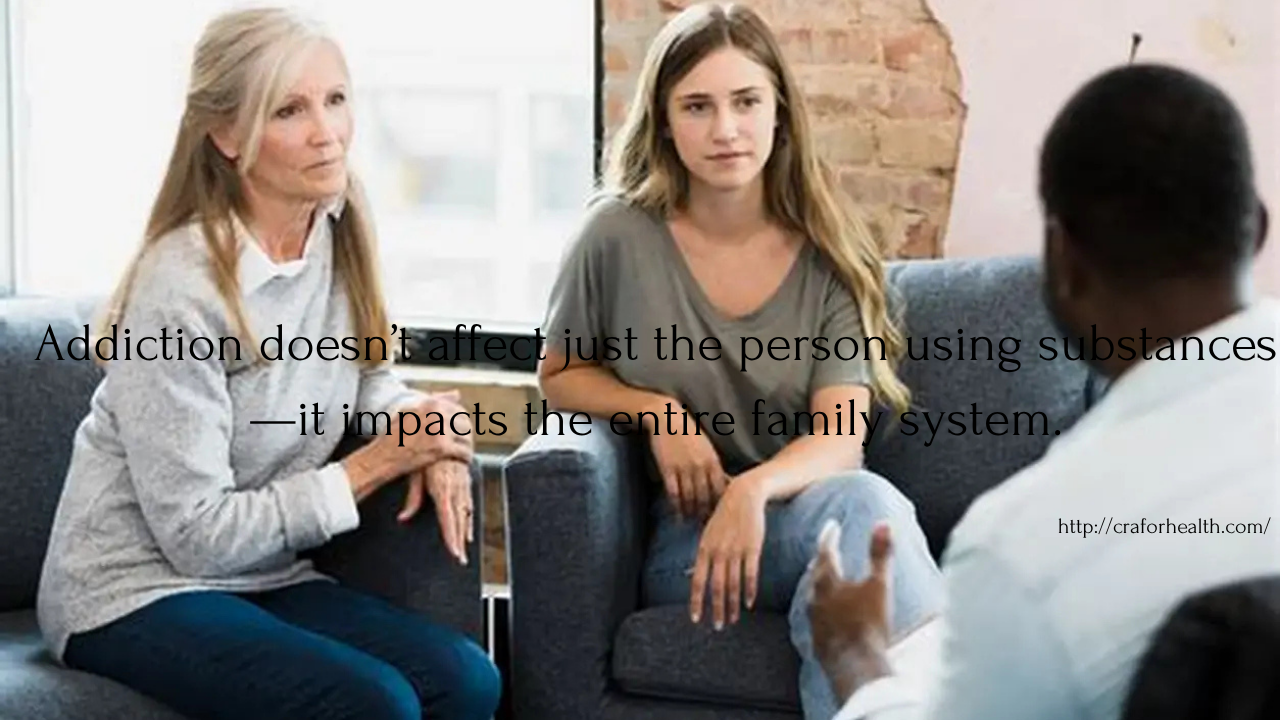
Addiction doesn’t affect just the person using substances—it impacts the entire family system. Loved ones may experience emotional pain, financial strain, broken trust, and cycles of enabling or codependency. In some cases, family members struggle with their own mental health challenges as a result of living with someone battling addiction. That’s why healing must be a shared journey, involving not just the individual in treatment but also those closest to them.

Why Family Support Matters in Recovery

Research consistently shows that individuals with strong family and social connections are more likely to enter treatment, stay engaged in recovery, and avoid relapse. Here’s how family support contributes to successful recovery:

1. Motivation to Seek Help

Many people struggling with addiction are encouraged by family members to enter treatment. A loving but firm intervention can be the catalyst for someone to recognize their need for help and take the first step toward recovery.

2. Emotional Encouragement

Recovery is emotionally challenging. Having supportive family members who listen, offer compassion, and celebrate progress provides vital emotional reinforcement. This helps the recovering individual feel valued and understood rather than judged or isolated.

3. Accountability and Stability

Family members can play a key role in helping their loved one stay accountable. Whether it’s attending therapy appointments, maintaining sobriety goals, or sticking to a recovery plan, family involvement creates structure and consistency.

Building Healthy Family Dynamics

Family support is most effective when it’s grounded in healthy, informed behavior. This often requires family members to participate in their own healing and education. Family therapy and support groups like Al-Anon or Nar-Anon can teach family members how to:

  • Set healthy boundaries
  • Avoid enabling behaviors
  • Understand addiction as a disease, not a moral failing
  • Communicate effectively without blame or guilt

Healing fractured relationships and rebuilding trust takes time, but with professional guidance, families can create a more supportive and sober home environment.

The Broader Role of Social Support

In addition to family, broader social support networks—such as friends, peer recovery groups, mentors, and spiritual communities—play a vital role in sustained sobriety. Support groups like Alcoholics Anonymous (AA), Narcotics Anonymous (NA), or SMART Recovery offer shared experiences, encouragement, and guidance from those who have walked the same path. These communities foster connection and accountability, reducing the isolation that often leads to relapse.

Conclusion

Addiction recovery is not a solo journey. The involvement of caring family members and a strong support network can make all the difference in treatment outcomes. By offering love, accountability, and understanding, families and communities can empower individuals to break free from addiction and build a healthier, more fulfilling life. Recovery thrives in connection—and every person plays a part in that healing process.

Relapse Prevention Strategies: Clinical Insights for Long-Term Recovery

Relapse is often a part of the recovery journey, not a sign of failure. In fact, research shows that between 40% and 60% of people recovering from substance use disorders experience at least one relapse. Just as with chronic illnesses like diabetes or hypertension, managing addiction requires ongoing care and proactive strategies. Understanding and implementing effective relapse prevention techniques is essential for achieving long-term recovery.

Understanding Relapse

Relapse is more than just returning to substance use—it is a process that typically unfolds in stages: emotional, mental, and physical. Emotional relapse involves poor self-care and denial of feelings, mental relapse is characterized by internal conflict and cravings, and physical relapse is the act of using again. Identifying these stages early allows for intervention before substance use resumes.

Clinical Approaches to Relapse Prevention

Effective relapse prevention combines therapy, lifestyle changes, and support systems. Below are key strategies used in clinical practice:

1. Identify and Manage Triggers

Triggers—both internal and external—can prompt cravings and relapse. Internal triggers may include stress, anger, loneliness, or boredom, while external triggers often involve people, places, or situations associated with past substance use. Clinicians help individuals develop awareness of their personal triggers and create actionable plans to avoid or cope with them.

Coping techniques include:

  • Practicing mindfulness and grounding exercises
  • Avoiding high-risk environments
  • Engaging in healthy distractions like exercise or hobbies

2. Cognitive Behavioral Therapy (CBT)

CBT is a gold-standard therapy in relapse prevention. It teaches individuals to recognize and change unhelpful thought patterns that lead to relapse. CBT also provides tools to handle stress, manage cravings, and strengthen decision-making skills.

Through CBT, clients learn to:

  • Reframe negative thoughts
  • Build confidence in their ability to stay sober
  • Develop alternative responses to stress or temptation

3. Develop a Strong Support System

Isolation can significantly increase the risk of relapse. Building and maintaining supportive relationships—whether through family, friends, therapy groups, or peer support—is crucial.

12-step programs (like AA or NA), SMART Recovery, or other mutual aid groups provide community, accountability, and shared wisdom. Regular participation helps individuals feel understood and less alone in their recovery.

4. Create a Structured Routine

A predictable, purposeful daily routine helps stabilize mood and reduce opportunities for relapse. This includes setting regular sleep patterns, scheduling activities, attending therapy or meetings, and incorporating time for physical activity and relaxation.

5. Relapse Prevention Planning

A relapse prevention plan is a personalized, written strategy developed with the help of a clinician. It outlines:

  • Personal relapse warning signs
  • Coping skills and interventions
  • Emergency contacts and resources
  • Long-term goals and motivations for staying sober

This plan serves as a roadmap during difficult times and helps individuals stay grounded in their recovery goals.

Conclusion

Relapse prevention is a proactive and ongoing process that combines self-awareness, evidence-based therapy, and consistent support. By recognizing warning signs, managing triggers, and building a structured and connected life, individuals in recovery can greatly reduce the risk of relapse and maintain long-term sobriety. Recovery is not about perfection—it’s about persistence, and with the right tools, lasting change is possible.

Dual Diagnosis: Treating Co-Occurring Mental Health and Substance Use Disorders

Dual diagnosis, also known as co-occurring disorders, refers to the presence of both a mental health disorder and a substance use disorder in the same individual. This condition is more common than many people realize. According to the National Institute on Drug Abuse (NIDA), approximately half of those who experience a mental illness during their lives will also experience a substance use disorder, and vice versa. Understanding and effectively treating dual diagnosis is crucial for long-term recovery and overall mental wellness.

The Complex Relationship Between Mental Health and Addiction

Mental health and substance use disorders are closely linked, but they do not always have a clear cause-and-effect relationship. In some cases, a mental health condition such as depression, anxiety, or post-traumatic stress disorder (PTSD) can lead individuals to use drugs or alcohol as a form of self-medication. In other cases, chronic substance use can trigger or worsen psychiatric symptoms, especially in those with a genetic or environmental predisposition.

Common mental health disorders associated with dual diagnosis include:

  • Depression
  • Generalized Anxiety Disorder
  • Bipolar Disorder
  • PTSD
  • Schizophrenia
  • Personality disorders (such as Borderline Personality Disorder)

When both disorders are present, they can feed into each other, creating a cycle that is difficult to break without professional intervention.

Challenges in Diagnosing Co-Occurring Disorders

Diagnosing dual diagnosis can be complicated. Substance use may mask or mimic symptoms of mental illness, and vice versa. For instance, stimulant abuse might look like mania, while alcohol withdrawal might resemble anxiety or depression. This overlap requires clinicians to conduct comprehensive evaluations, often during periods of sobriety, to accurately identify underlying mental health issues.

The Importance of Integrated Treatment

Historically, mental health and addiction were treated separately, often by different providers. However, research has shown that integrated treatment—addressing both disorders at the same time—is the most effective approach for dual diagnosis.

An integrated treatment plan typically includes:

1. Comprehensive Assessment

A thorough evaluation of both substance use and mental health symptoms allows providers to create a personalized treatment plan.

2. Medication Management

Psychiatric medications such as antidepressants, mood stabilizers, or antipsychotics may be prescribed to manage mental health symptoms. For addiction, medication-assisted treatment (MAT) may be used to reduce cravings and withdrawal symptoms.

3. Therapy and Counseling

Evidence-based therapies such as Cognitive Behavioral Therapy (CBT), Dialectical Behavior Therapy (DBT), and trauma-informed therapy help individuals understand and manage both their mental health and substance use behaviors.

4. Supportive Services

Peer support groups, family therapy, vocational training, and housing support are often key components of recovery, addressing the broader social and emotional needs of the individual.

Conclusion

Dual diagnosis presents unique challenges that require a specialized, coordinated approach to care. By treating both the mental health condition and the substance use disorder together, individuals have a far greater chance of achieving lasting recovery. With the right support and comprehensive care, people living with co-occurring disorders can rebuild their lives and thrive in recovery.

The Science of Cravings: How to Manage Triggers in Early Recovery

Cravings are one of the most challenging aspects of early addiction recovery. They can appear suddenly, feel overwhelming, and threaten a person’s resolve to stay sober. Understanding the science behind cravings—and learning to manage the triggers that cause them—is essential for maintaining long-term recovery.

What Are Cravings?

Cravings are intense urges to use a substance, often triggered by psychological, environmental, or emotional cues. They’re not simply a matter of “wanting” something; they are the result of changes in the brain caused by repeated substance use.

During addiction, the brain’s reward system becomes conditioned to expect a substance in certain situations. Over time, the brain forms strong associations between substance use and specific experiences—like seeing a certain place, feeling stressed, or spending time with people connected to past use. These associations become triggers that can activate cravings, even after the substance is no longer in the body.

The Neuroscience Behind Cravings

When a person uses drugs or alcohol, dopamine levels surge in the brain, creating feelings of pleasure and reinforcement. With repeated use, the brain adapts by producing less dopamine naturally and reducing the number of dopamine receptors. As a result, everyday pleasures no longer feel satisfying, and the brain becomes hyper-focused on the substance as the primary source of reward.

In early recovery, the brain is still adjusting to life without the substance. Cravings can be especially intense during this period because the brain has not yet relearned how to experience pleasure from natural sources. Over time, with abstinence and healthy habits, brain chemistry begins to normalize—but in the meantime, cravings can be powerful and persistent.

Identifying and Managing Triggers

Triggers are the cues—both internal and external—that spark a craving. Common triggers include:

  • People: Friends or acquaintances who still use substances.
  • Places: Locations associated with past substance use (bars, parties, neighborhoods).
  • Emotions: Stress, anxiety, boredom, loneliness, or even excitement.
  • Routines: Daily habits or rituals that used to involve substance use.

Strategies for Managing Triggers

  1. Avoid High-Risk Situations
    In early recovery, avoiding known triggers is key. This may mean changing your environment, limiting contact with certain people, or skipping events where substances are present.
  2. Develop a Trigger Plan
    Work with a counselor or sponsor to identify your personal triggers and create a plan for handling them. This might include grounding techniques, distraction strategies, or contacting a support person.
  3. Use Mindfulness and Breathing Techniques
    Mindfulness helps you become aware of cravings without acting on them. Deep breathing, meditation, and body scans can reduce the intensity of a craving and help you stay grounded.
  4. Replace Old Habits with New Ones
    Engage in healthy activities that release dopamine naturally—like exercise, art, music, or spending time with supportive people. These new routines help retrain the brain to find pleasure without substances.
  5. Seek Support
    Cravings are normal, not a sign of failure. Talking about them in therapy or support groups like NA or SMART Recovery can help you feel understood and gain useful coping tools.

Conclusion

Cravings in early recovery are rooted in the brain’s biology and the emotional patterns of addiction. While they can be difficult to manage, understanding their origin and learning to navigate triggers is an empowering part of the recovery journey. With time, patience, and the right support, cravings become easier to manage—and eventually, they fade.