Addiction is often described as a disease of isolation, but recovery is a process of connection. While professional treatment—such as therapy, medication, and rehabilitation—is crucial for overcoming substance use disorders, family involvement and social support can significantly enhance the chances of long-term recovery. A strong support system not only helps individuals stay sober but also rebuilds trust, strengthens emotional resilience, and promotes overall healing.
Understanding the Impact of Addiction on Families
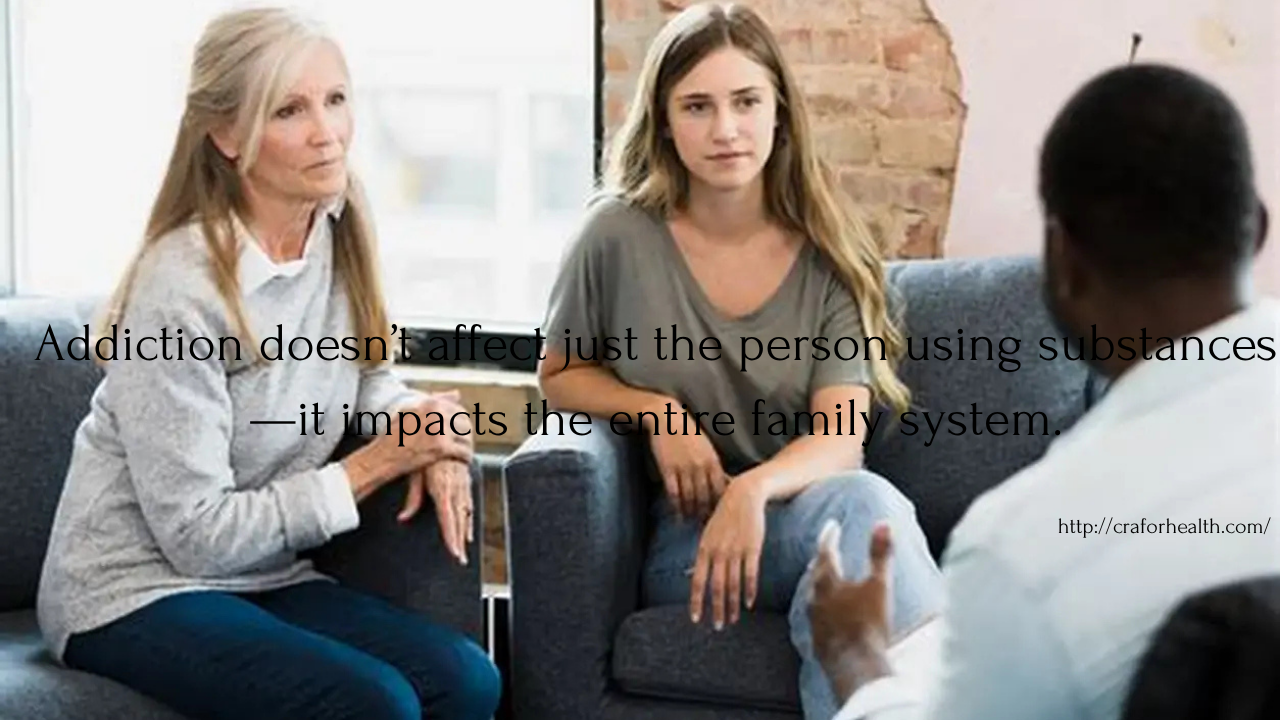
Addiction doesn’t affect just the person using substances—it impacts the entire family system. Loved ones may experience emotional pain, financial strain, broken trust, and cycles of enabling or codependency. In some cases, family members struggle with their own mental health challenges as a result of living with someone battling addiction. That’s why healing must be a shared journey, involving not just the individual in treatment but also those closest to them.
Why Family Support Matters in Recovery
Research consistently shows that individuals with strong family and social connections are more likely to enter treatment, stay engaged in recovery, and avoid relapse. Here’s how family support contributes to successful recovery:
1. Motivation to Seek Help
Many people struggling with addiction are encouraged by family members to enter treatment. A loving but firm intervention can be the catalyst for someone to recognize their need for help and take the first step toward recovery.
2. Emotional Encouragement
Recovery is emotionally challenging. Having supportive family members who listen, offer compassion, and celebrate progress provides vital emotional reinforcement. This helps the recovering individual feel valued and understood rather than judged or isolated.
3. Accountability and Stability
Family members can play a key role in helping their loved one stay accountable. Whether it’s attending therapy appointments, maintaining sobriety goals, or sticking to a recovery plan, family involvement creates structure and consistency.
Building Healthy Family Dynamics
Family support is most effective when it’s grounded in healthy, informed behavior. This often requires family members to participate in their own healing and education. Family therapy and support groups like Al-Anon or Nar-Anon can teach family members how to:
- Set healthy boundaries
- Avoid enabling behaviors
- Understand addiction as a disease, not a moral failing
- Communicate effectively without blame or guilt
Healing fractured relationships and rebuilding trust takes time, but with professional guidance, families can create a more supportive and sober home environment.
The Broader Role of Social Support
In addition to family, broader social support networks—such as friends, peer recovery groups, mentors, and spiritual communities—play a vital role in sustained sobriety. Support groups like Alcoholics Anonymous (AA), Narcotics Anonymous (NA), or SMART Recovery offer shared experiences, encouragement, and guidance from those who have walked the same path. These communities foster connection and accountability, reducing the isolation that often leads to relapse.
Conclusion
Addiction recovery is not a solo journey. The involvement of caring family members and a strong support network can make all the difference in treatment outcomes. By offering love, accountability, and understanding, families and communities can empower individuals to break free from addiction and build a healthier, more fulfilling life. Recovery thrives in connection—and every person plays a part in that healing process.