
Month: July 2025

Self-Medication and PTSD: Understanding the Roots of Addiction

Post-Traumatic Stress Disorder (PTSD) is a debilitating mental health condition that can arise after experiencing or witnessing traumatic events, such as military combat, physical or sexual abuse, natural disasters, or violent accidents. While PTSD affects millions of individuals, one of its most dangerous and misunderstood consequences is the increased risk of substance use disorders. Many people living with PTSD turn to alcohol or drugs to numb their pain—a behavior known as self-medication. Unfortunately, this coping mechanism often leads to addiction, creating a complex cycle that is difficult to break.

Why PTSD Leads to Self-Medication

PTSD symptoms can be intense and chronic. They include flashbacks, nightmares, hypervigilance, insomnia, irritability, and emotional numbness. For someone struggling to cope with these symptoms, substances may offer temporary relief. Alcohol may help a person sleep or reduce anxiety, while stimulants or opioids might dull emotional pain or energize someone stuck in depression.

However, this relief is fleeting. Over time, the body builds a tolerance, requiring more of the substance to achieve the same effect. What starts as a coping strategy quickly spirals into physical and psychological dependence. The original trauma remains unresolved, and the new problem of addiction adds another layer of suffering.

The Self-Medication Hypothesis

The self-medication hypothesis suggests that individuals with mental health disorders use substances to manage psychological distress. In the case of PTSD, this often manifests as a subconscious attempt to regulate overwhelming emotions, block intrusive thoughts, or regain a sense of control. But rather than healing, self-medication postpones recovery and worsens both conditions.

Studies show that people with PTSD are significantly more likely to develop substance use disorders than those without the condition. Veterans, survivors of abuse, and first responders are among the most vulnerable groups, often dealing with undiagnosed or untreated PTSD for years before seeking help.

The Dangerous Cycle

Self-medicating with drugs or alcohol may appear to work in the short term, but it reinforces avoidance—the very behavior that prevents PTSD recovery. Instead of processing trauma, individuals push it down with substances, which only strengthens the emotional charge of their memories. Additionally, substance use increases the likelihood of risky behaviors and new traumatic experiences, further entrenching the cycle.

Withdrawal symptoms—such as anxiety, insomnia, or depression—can mirror or amplify PTSD symptoms, making it difficult to distinguish one from the other. This overlap complicates diagnosis and treatment, especially if care providers do not screen for co-occurring conditions.

Pathways to Healing

The first step in breaking the cycle is recognizing that both PTSD and addiction require treatment—together. This dual-diagnosis approach involves:

  • Trauma-informed care that prioritizes safety, empathy, and empowerment
  • Integrated therapies like Cognitive Behavioral Therapy (CBT) or EMDR
  • Medication-Assisted Treatment (MAT) to manage withdrawal and stabilize mood
  • Peer support groups and ongoing counseling to reinforce recovery

Conclusion

Self-medication may seem like a way to survive PTSD, but it often deepens the suffering and delays true healing. By understanding the connection between trauma and substance use, individuals and clinicians can work together to treat the root causes—not just the symptoms. Recovery begins with compassionate, comprehensive care that addresses both the pain of the past and the hope for a healthier future.
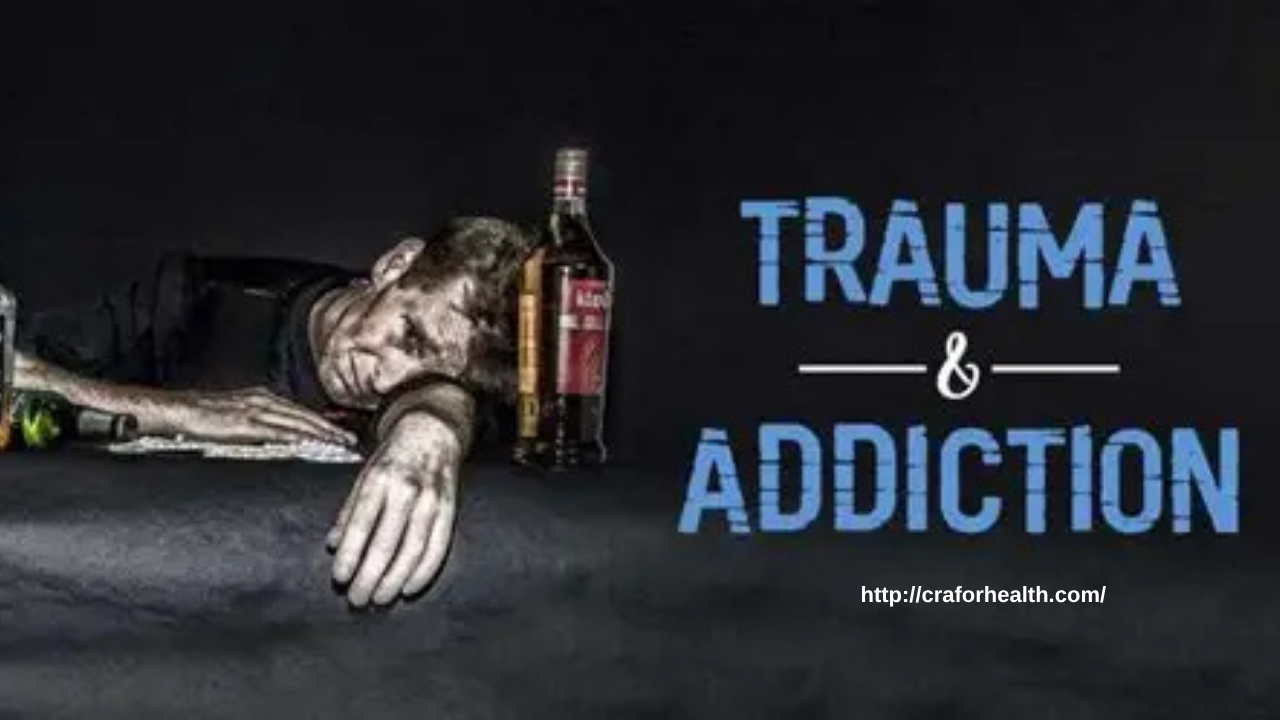
Breaking the Cycle: How Trauma Fuels Addiction and Substance Use Disorders

Addiction and trauma are deeply intertwined. For many individuals struggling with substance use disorders, the roots of their addiction lie in past traumatic experiences. Whether it’s childhood abuse, domestic violence, military combat, or a severe accident, trauma can leave emotional scars that are difficult to heal. When these emotional wounds go unaddressed, many people turn to drugs or alcohol as a way to cope, creating a dangerous cycle of self-medication and dependency.

Understanding the Trauma-Addiction Connection

Trauma affects the brain and body in profound ways. People with Post-Traumatic Stress Disorder (PTSD) often experience flashbacks, nightmares, anxiety, and a constant sense of being on edge. These symptoms can make daily life feel unbearable. To find relief, some individuals use substances like alcohol, opioids, or stimulants to numb emotional pain or quiet intrusive memories. This temporary escape, however, often leads to long-term problems.

Substance use can initially seem to help manage trauma symptoms, but over time it creates its own set of issues. Dependence, tolerance, and addiction develop, leaving individuals caught in a vicious cycle where trauma feeds addiction, and addiction exacerbates trauma. For example, substance use can lead to risky behaviors, damaged relationships, or legal problems—creating new traumatic experiences that deepen emotional distress.

The Brain’s Role in Trauma and Addiction

Trauma alters the brain’s stress and reward systems. The amygdala, which processes fear and emotional responses, becomes hyperactive after trauma, while the prefrontal cortex, responsible for rational decision-making, may become less active. This imbalance can lead to impulsivity and emotional instability.

At the same time, substances like drugs and alcohol flood the brain with dopamine, a chemical linked to pleasure and reward. This temporarily masks the pain of trauma but reinforces substance use as a coping mechanism. Over time, the brain learns to associate drug use with emotional relief, making it harder to break the pattern.

Breaking the Cycle: Trauma-Informed Addiction Treatment

To effectively treat addiction that stems from trauma, both conditions must be addressed together. This is called integrated treatment, and it often includes:

  • Trauma-Focused Therapy: Approaches like Cognitive Behavioral Therapy (CBT), Eye Movement Desensitization and Reprocessing (EMDR), or Prolonged Exposure Therapy help individuals process traumatic memories in a safe and structured way.
  • Medication-Assisted Treatment (MAT): In some cases, medications can help manage cravings or stabilize mood, making therapy more effective.
  • Mindfulness and Stress Reduction: Techniques like meditation, yoga, or deep breathing can help individuals regulate emotions and reduce triggers for substance use.
  • Support Groups: Connecting with others who have experienced trauma and addiction provides a sense of community and reduces isolation.

Conclusion

The link between trauma and addiction is powerful but not unbreakable. By addressing both the emotional wounds of trauma and the behavioral patterns of substance use, individuals can heal from the inside out. Recovery is not just about stopping drug or alcohol use—it’s about reclaiming life after trauma and building a future grounded in resilience, connection, and hope.

The Role of Family and Social Support in Addiction Treatment and Recovery

Addiction is often described as a disease of isolation, but recovery is a process of connection. While professional treatment—such as therapy, medication, and rehabilitation—is crucial for overcoming substance use disorders, family involvement and social support can significantly enhance the chances of long-term recovery. A strong support system not only helps individuals stay sober but also rebuilds trust, strengthens emotional resilience, and promotes overall healing.

Understanding the Impact of Addiction on Families

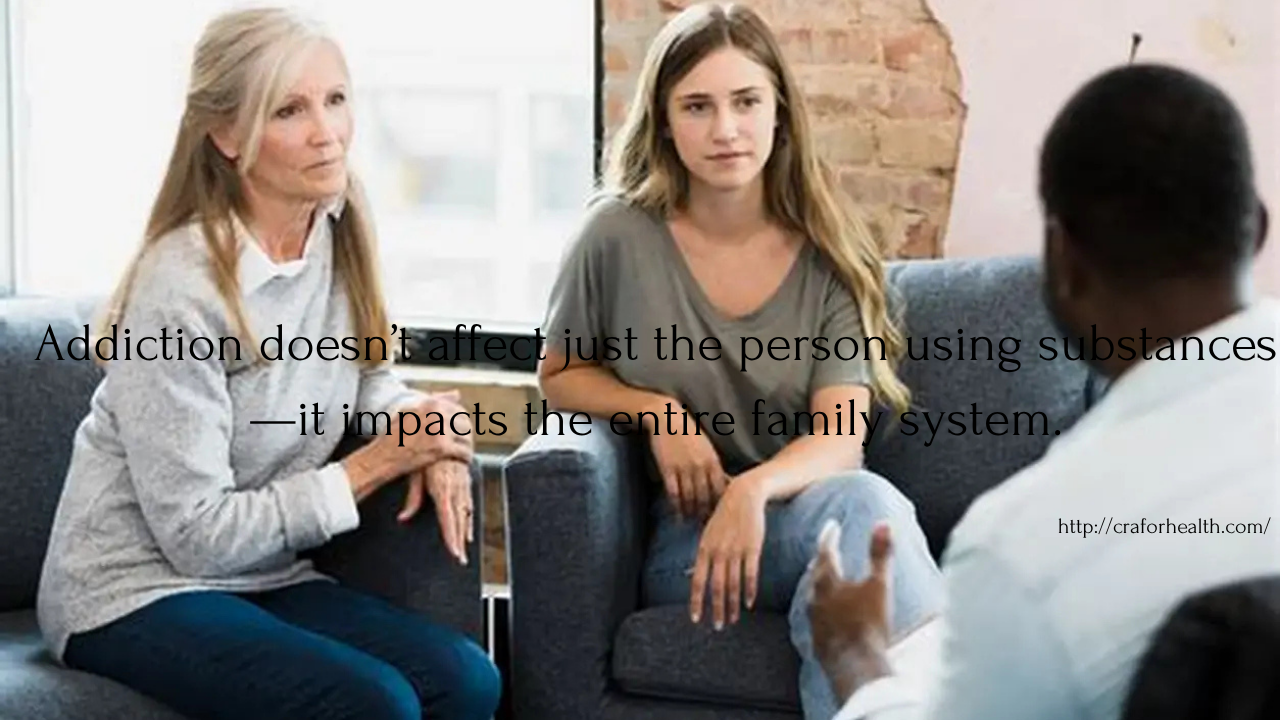
Addiction doesn’t affect just the person using substances—it impacts the entire family system. Loved ones may experience emotional pain, financial strain, broken trust, and cycles of enabling or codependency. In some cases, family members struggle with their own mental health challenges as a result of living with someone battling addiction. That’s why healing must be a shared journey, involving not just the individual in treatment but also those closest to them.

Why Family Support Matters in Recovery

Research consistently shows that individuals with strong family and social connections are more likely to enter treatment, stay engaged in recovery, and avoid relapse. Here’s how family support contributes to successful recovery:

1. Motivation to Seek Help

Many people struggling with addiction are encouraged by family members to enter treatment. A loving but firm intervention can be the catalyst for someone to recognize their need for help and take the first step toward recovery.

2. Emotional Encouragement

Recovery is emotionally challenging. Having supportive family members who listen, offer compassion, and celebrate progress provides vital emotional reinforcement. This helps the recovering individual feel valued and understood rather than judged or isolated.

3. Accountability and Stability

Family members can play a key role in helping their loved one stay accountable. Whether it’s attending therapy appointments, maintaining sobriety goals, or sticking to a recovery plan, family involvement creates structure and consistency.

Building Healthy Family Dynamics

Family support is most effective when it’s grounded in healthy, informed behavior. This often requires family members to participate in their own healing and education. Family therapy and support groups like Al-Anon or Nar-Anon can teach family members how to:

  • Set healthy boundaries
  • Avoid enabling behaviors
  • Understand addiction as a disease, not a moral failing
  • Communicate effectively without blame or guilt

Healing fractured relationships and rebuilding trust takes time, but with professional guidance, families can create a more supportive and sober home environment.

The Broader Role of Social Support

In addition to family, broader social support networks—such as friends, peer recovery groups, mentors, and spiritual communities—play a vital role in sustained sobriety. Support groups like Alcoholics Anonymous (AA), Narcotics Anonymous (NA), or SMART Recovery offer shared experiences, encouragement, and guidance from those who have walked the same path. These communities foster connection and accountability, reducing the isolation that often leads to relapse.

Conclusion

Addiction recovery is not a solo journey. The involvement of caring family members and a strong support network can make all the difference in treatment outcomes. By offering love, accountability, and understanding, families and communities can empower individuals to break free from addiction and build a healthier, more fulfilling life. Recovery thrives in connection—and every person plays a part in that healing process.